Rattlesnake Envenomation on Erythrocyte Morphology

YEAR

2025


CLIENT

David Rini, MA, CMI

Donny Bliss, MA, CMI


MEDIA

C4D  |  After Effects

DESCRIPTION

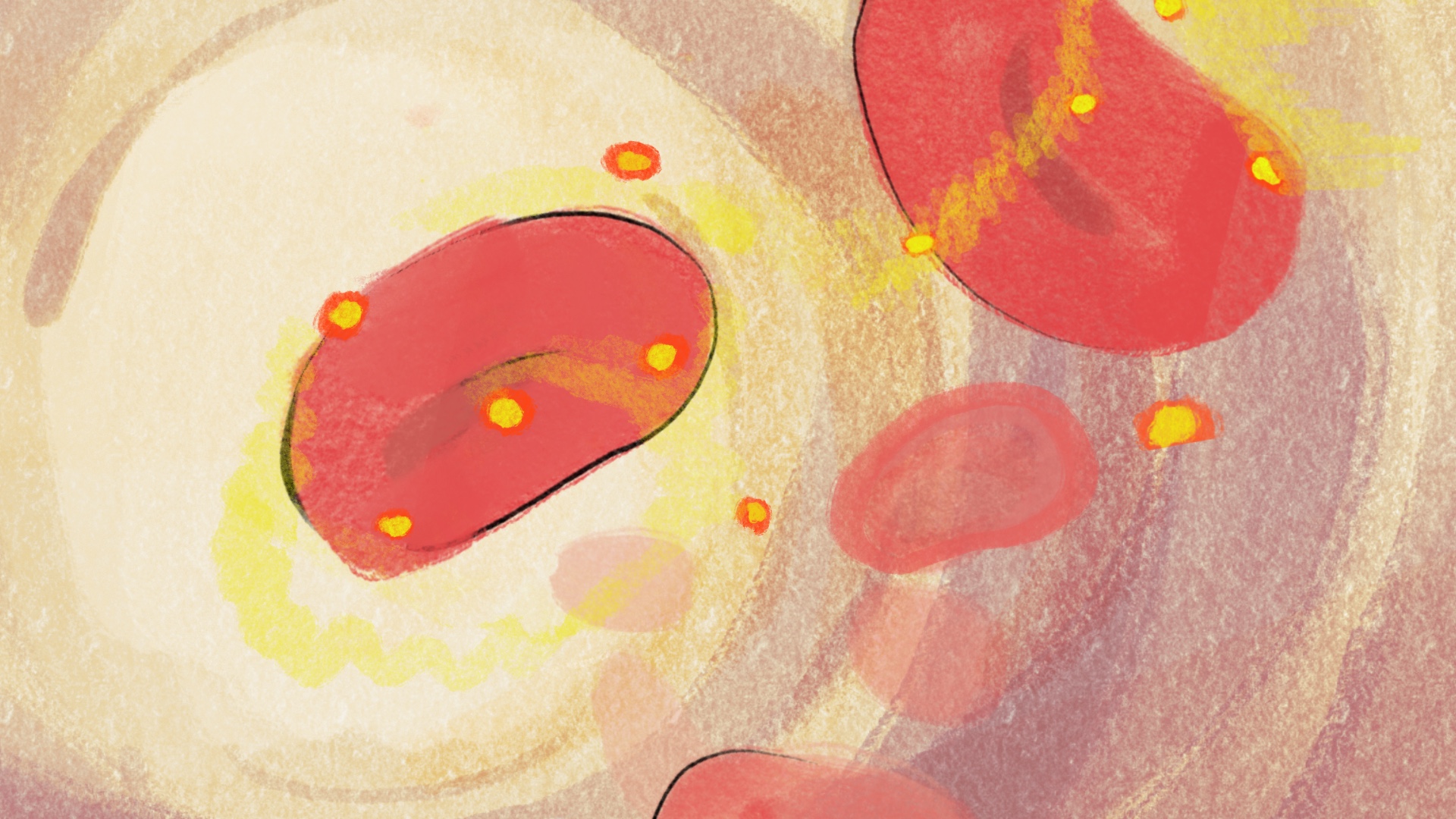
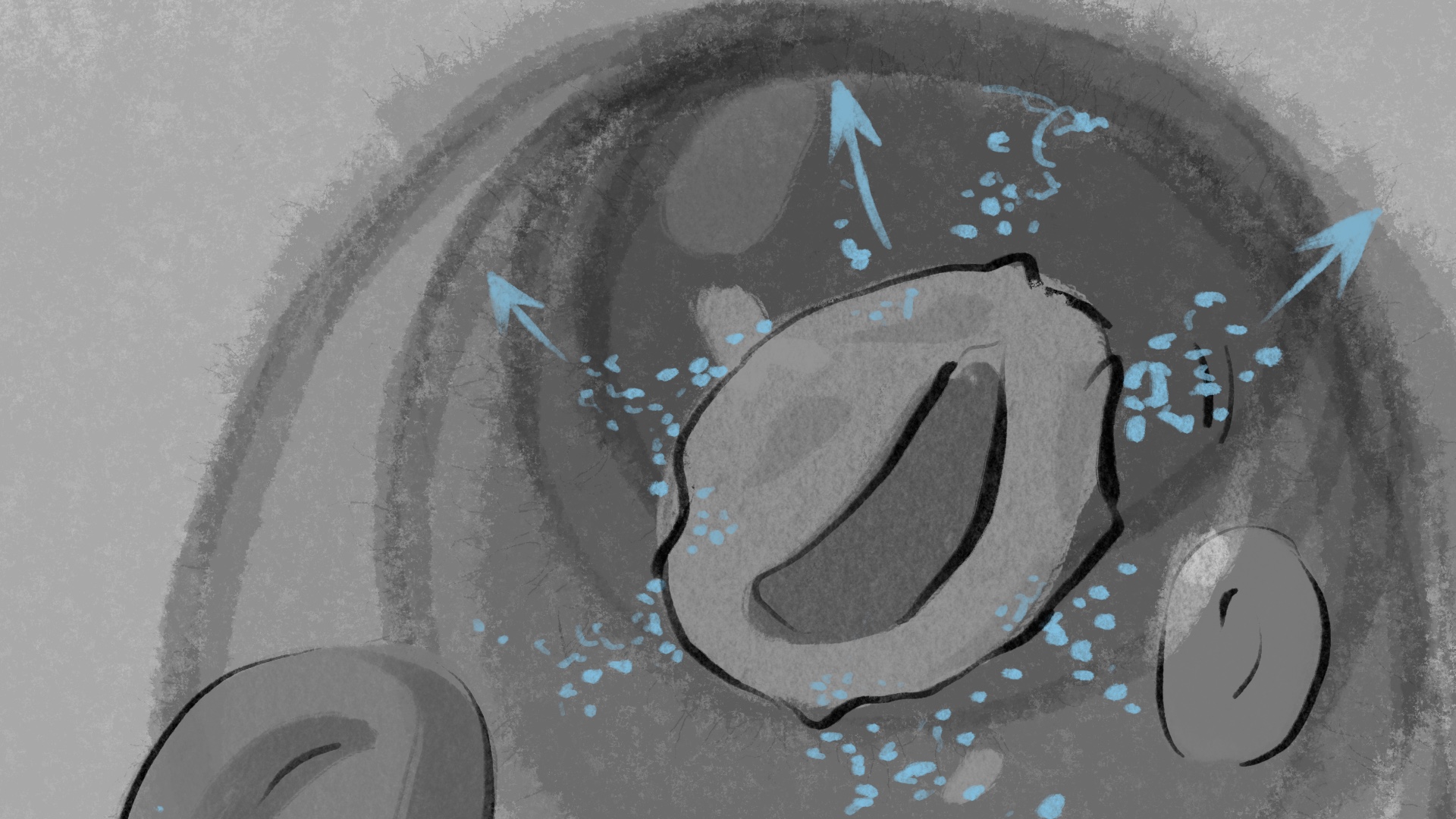
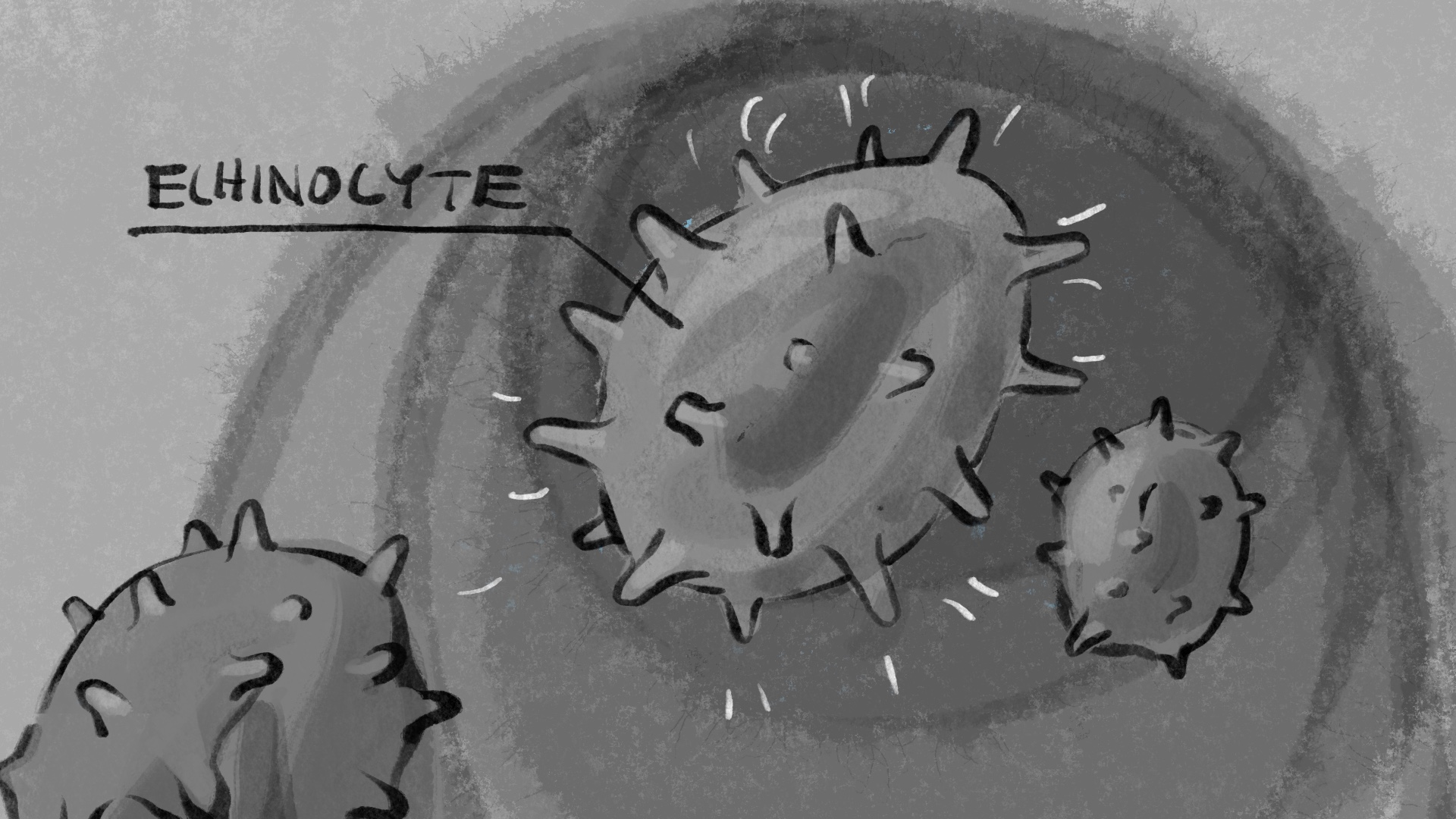
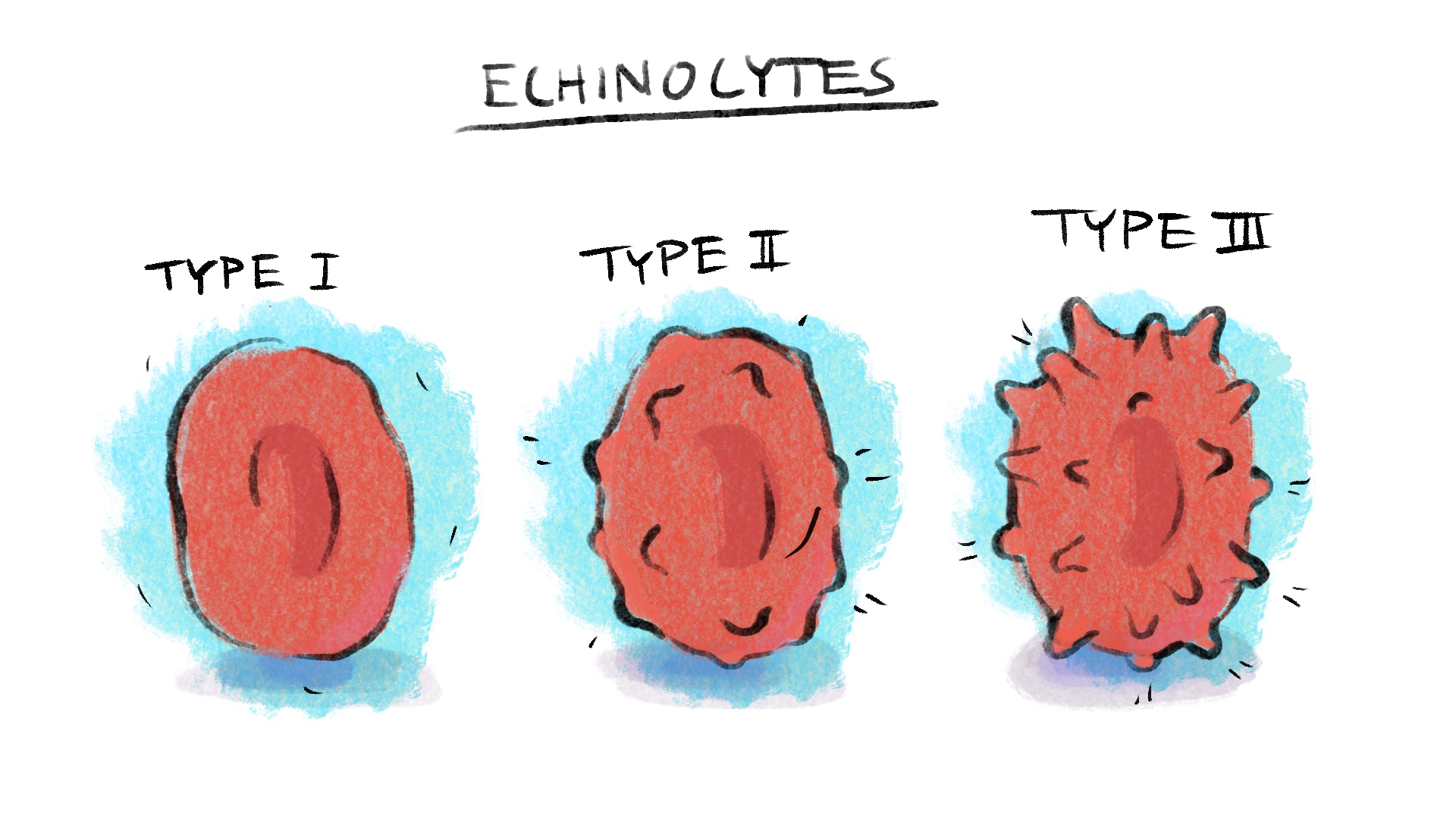
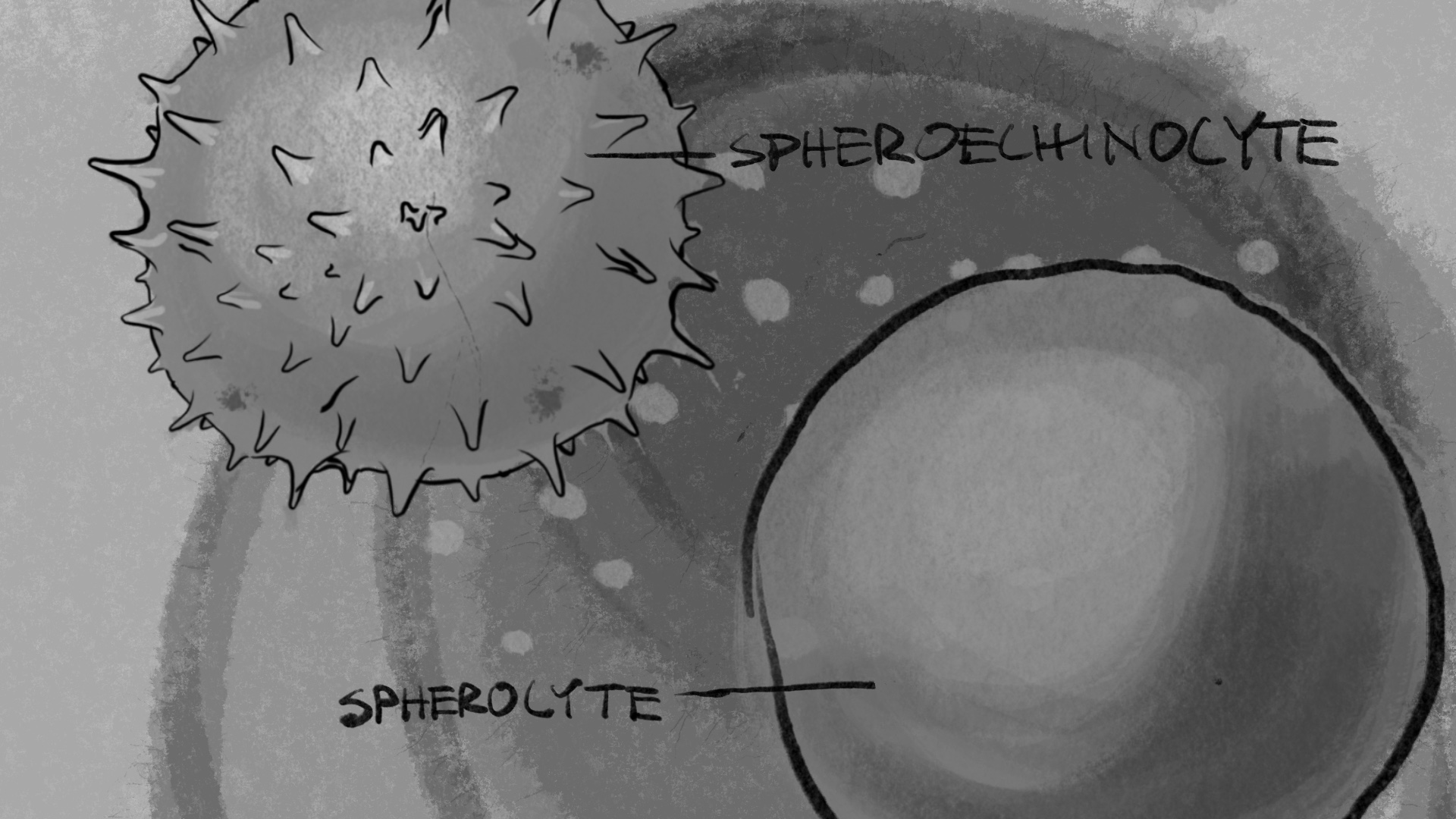
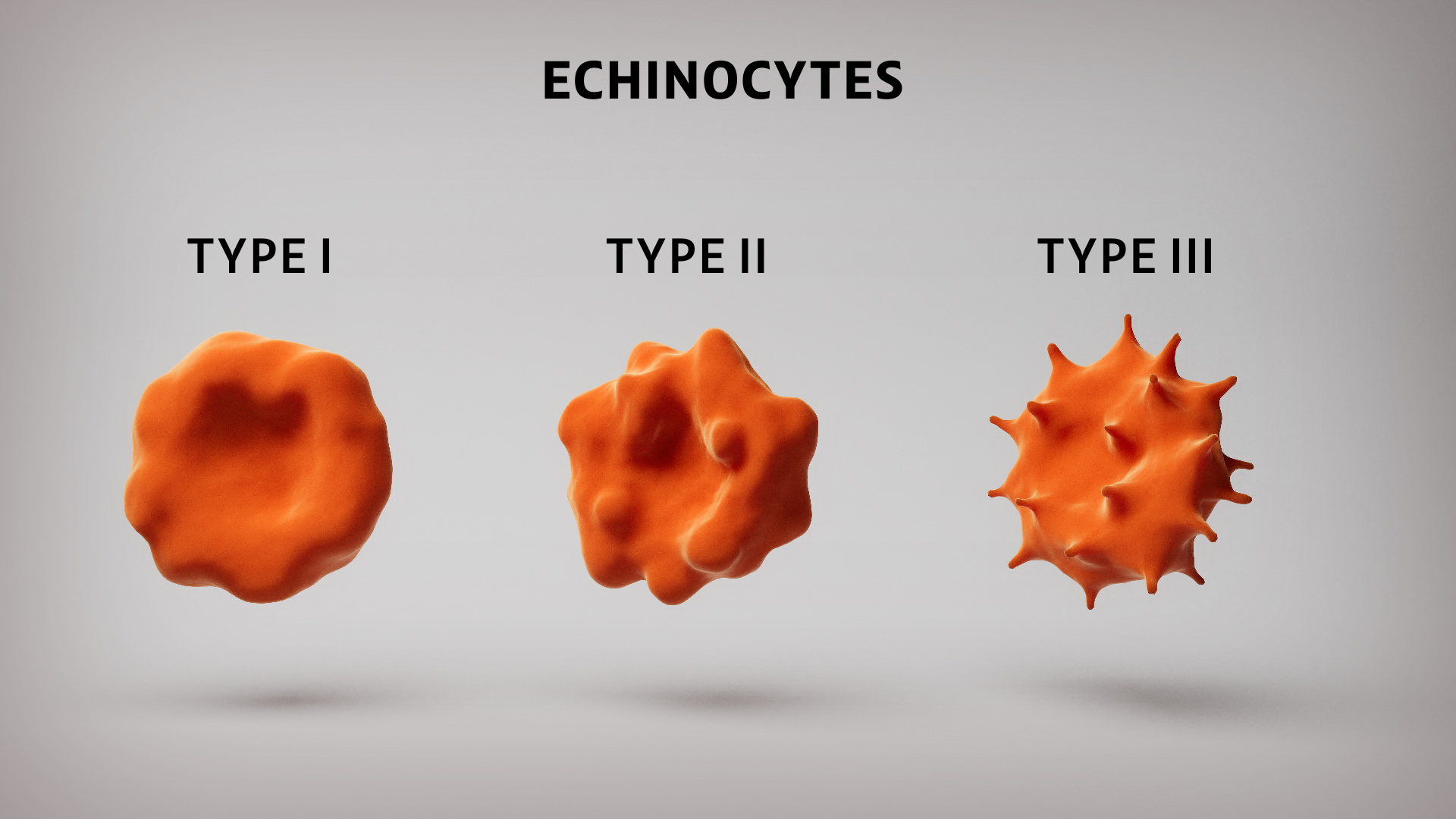
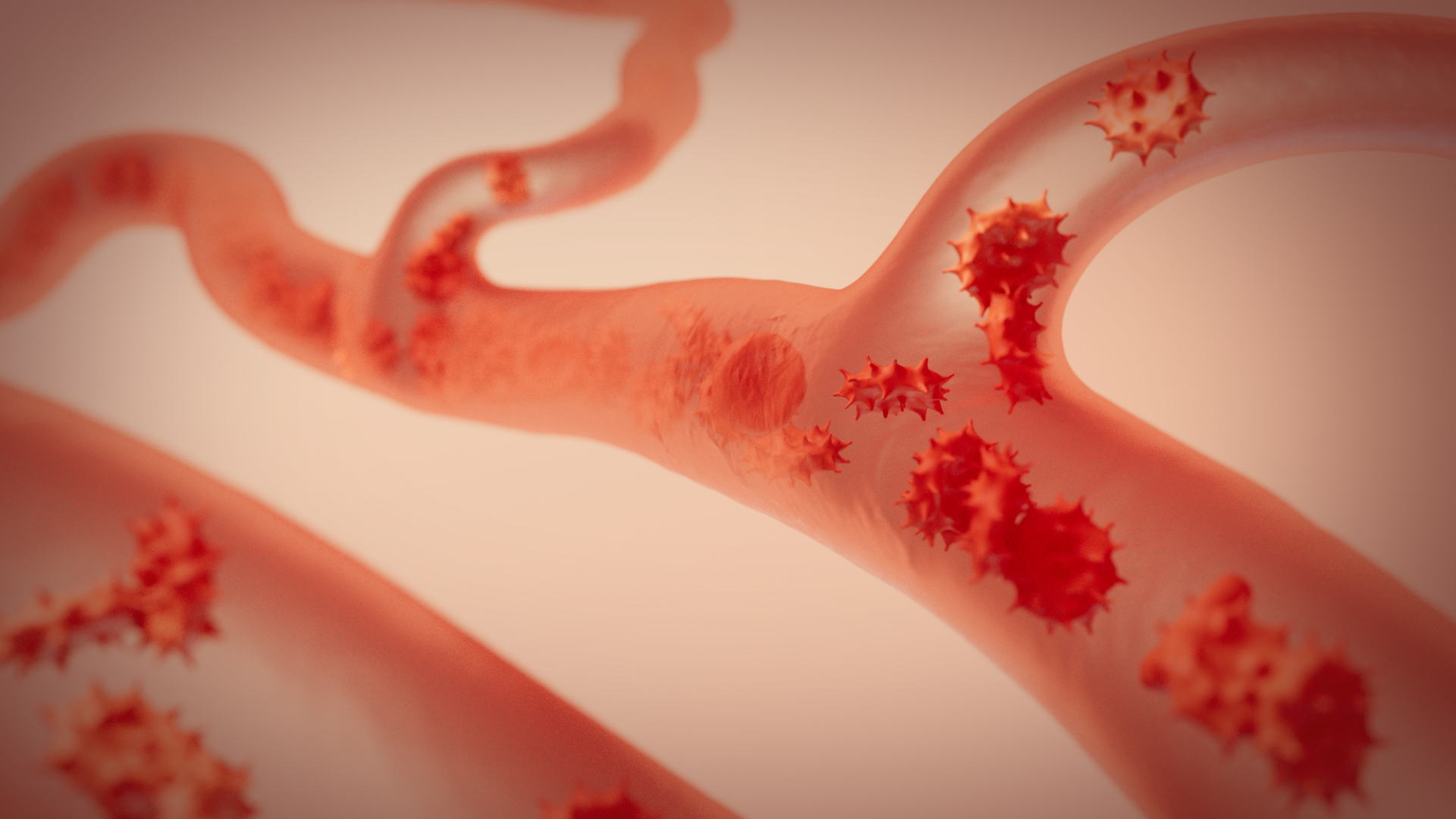
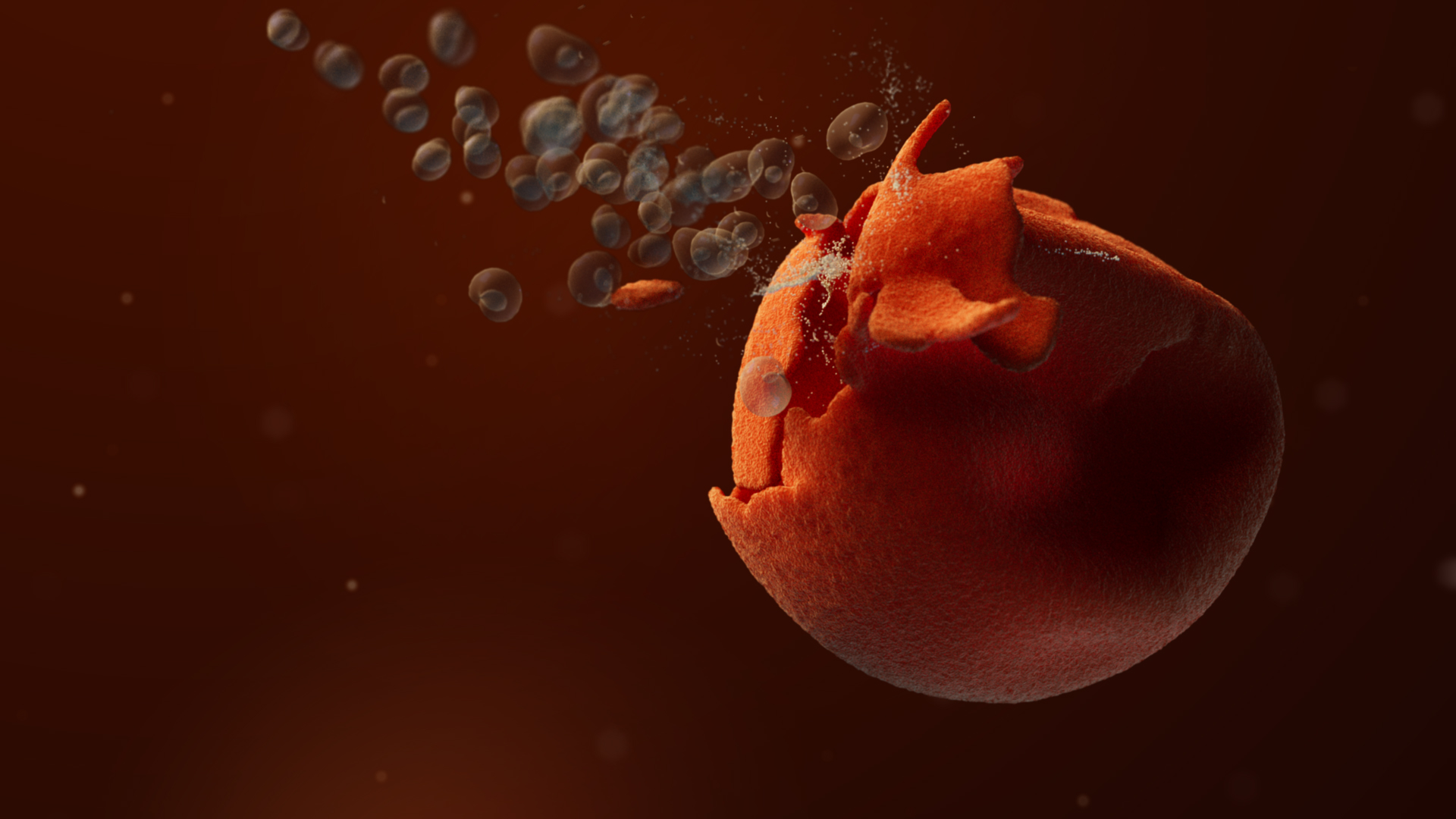
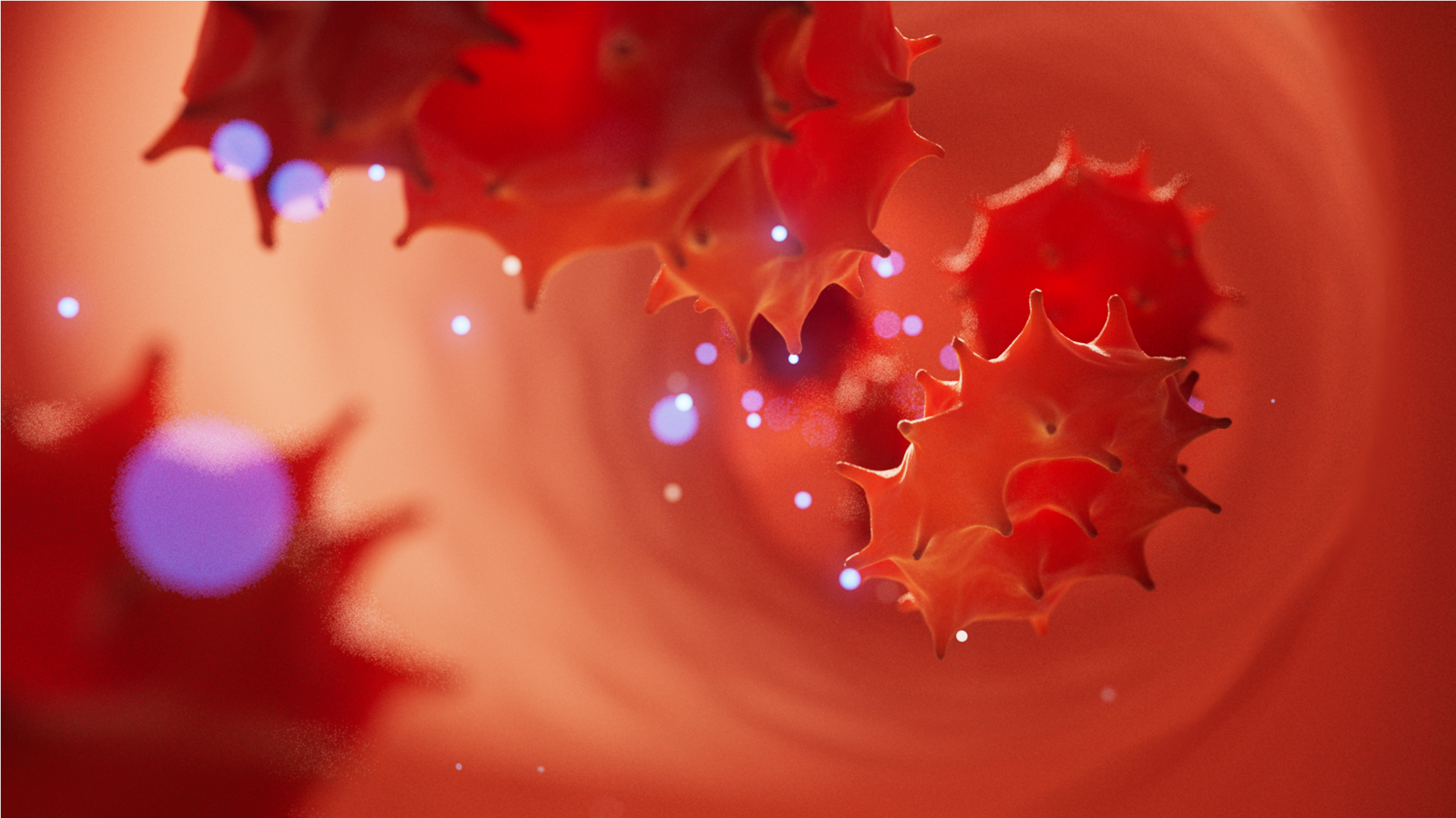
This 3D animation, created in Cinema 4D, illustrates the effects of rattlesnake venom on red blood cells. It shows how envenomation destabilizes cell membranes, causing water loss, shrinkage, and the formation of spiky projections, a condition called echinocytosis. The animation depicts varying severity, from mild to severe deformation, and demonstrates how antivenom can restore normal cell structure.

The project combined research and the creation and animation of 3D models to communicate the dynamic physiological changes in this process.
PROCESS

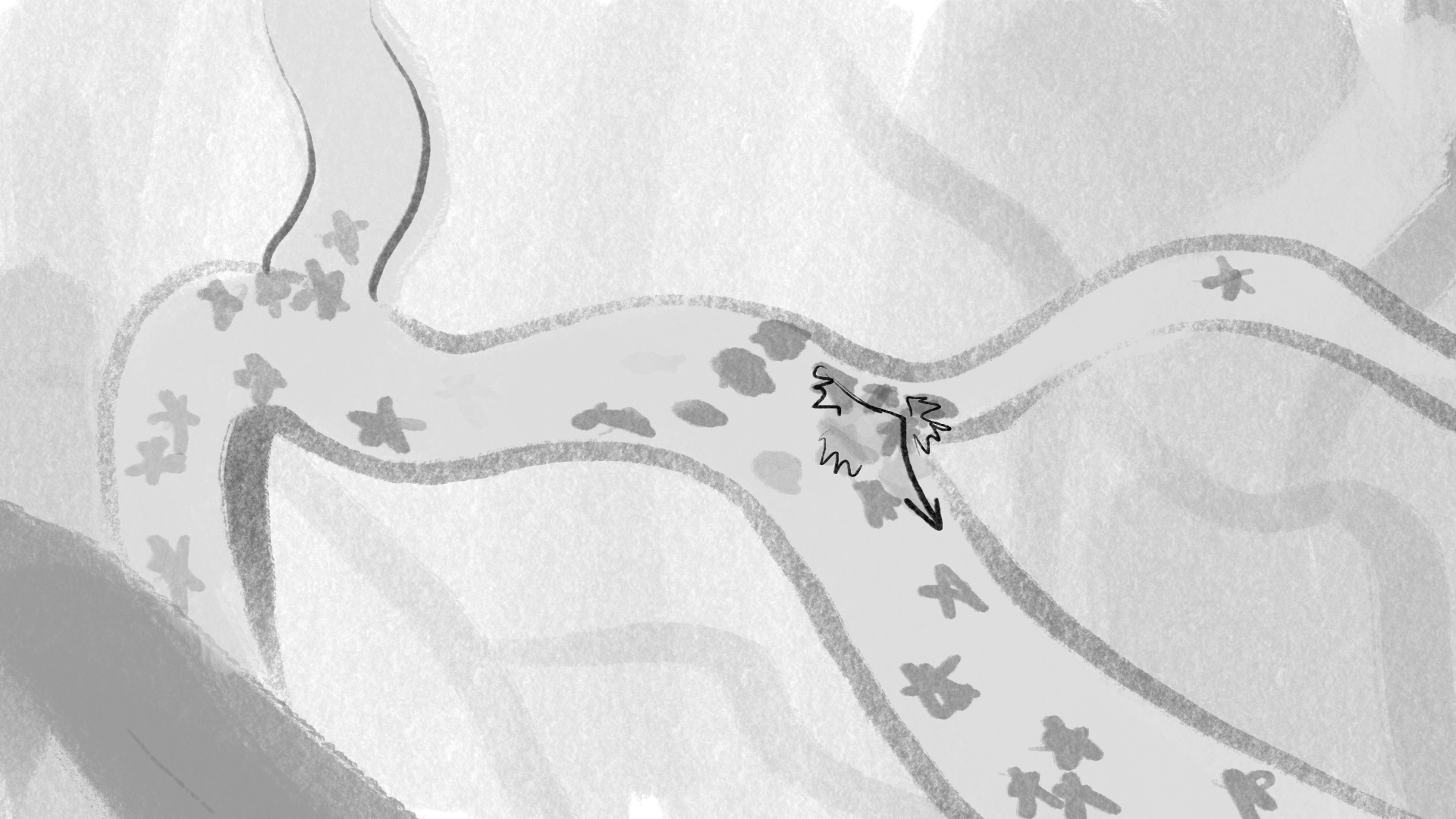
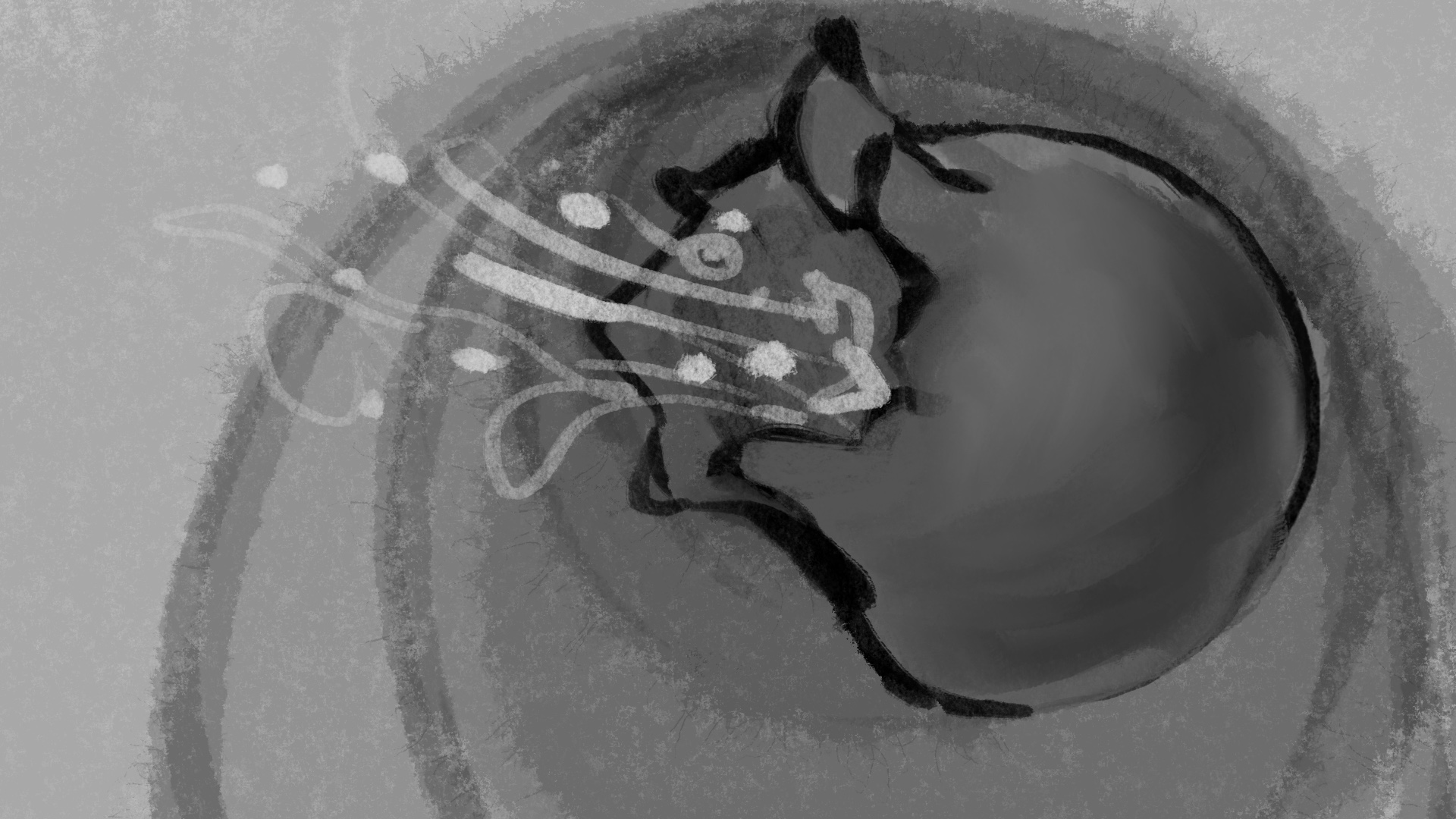
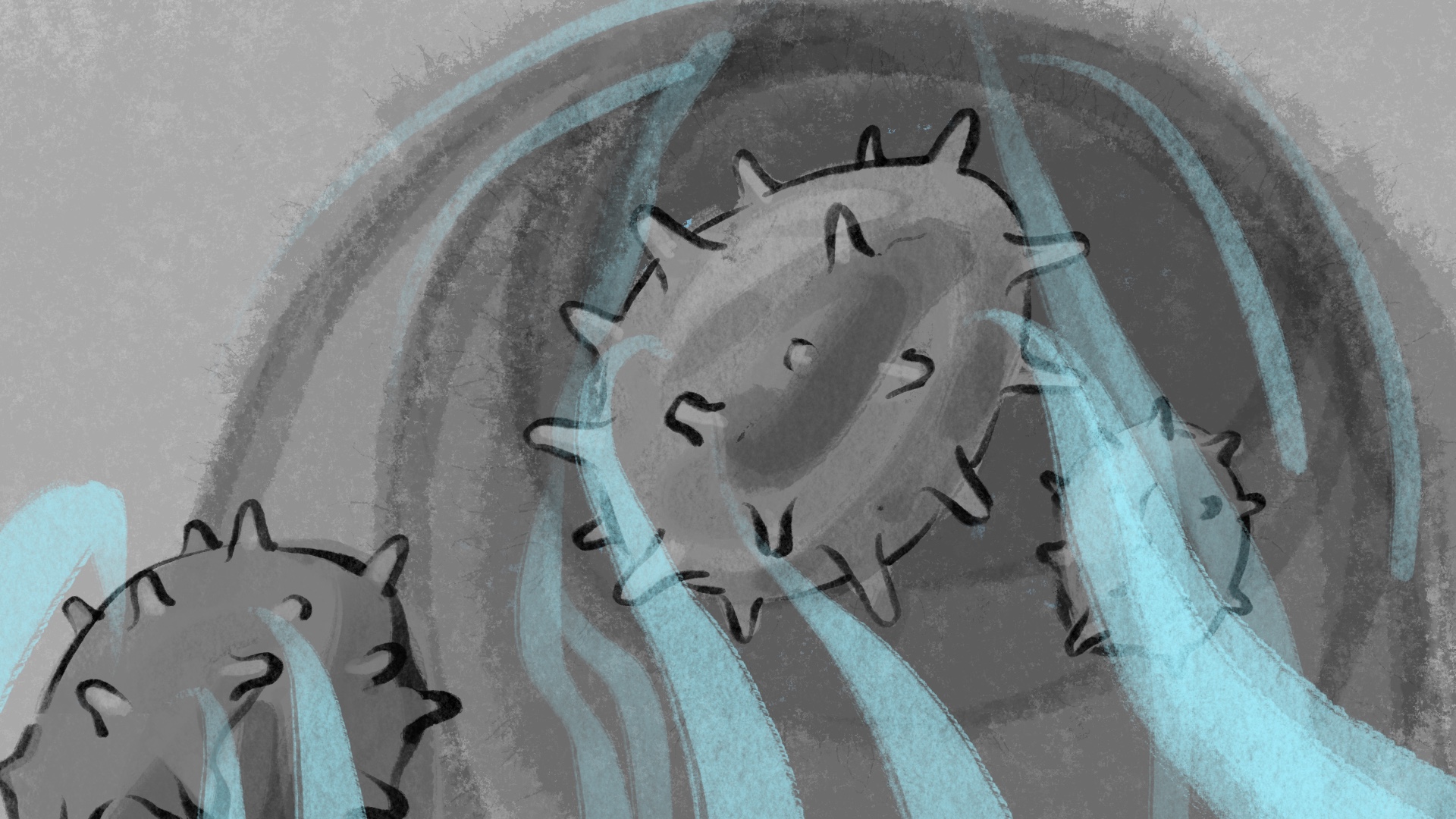
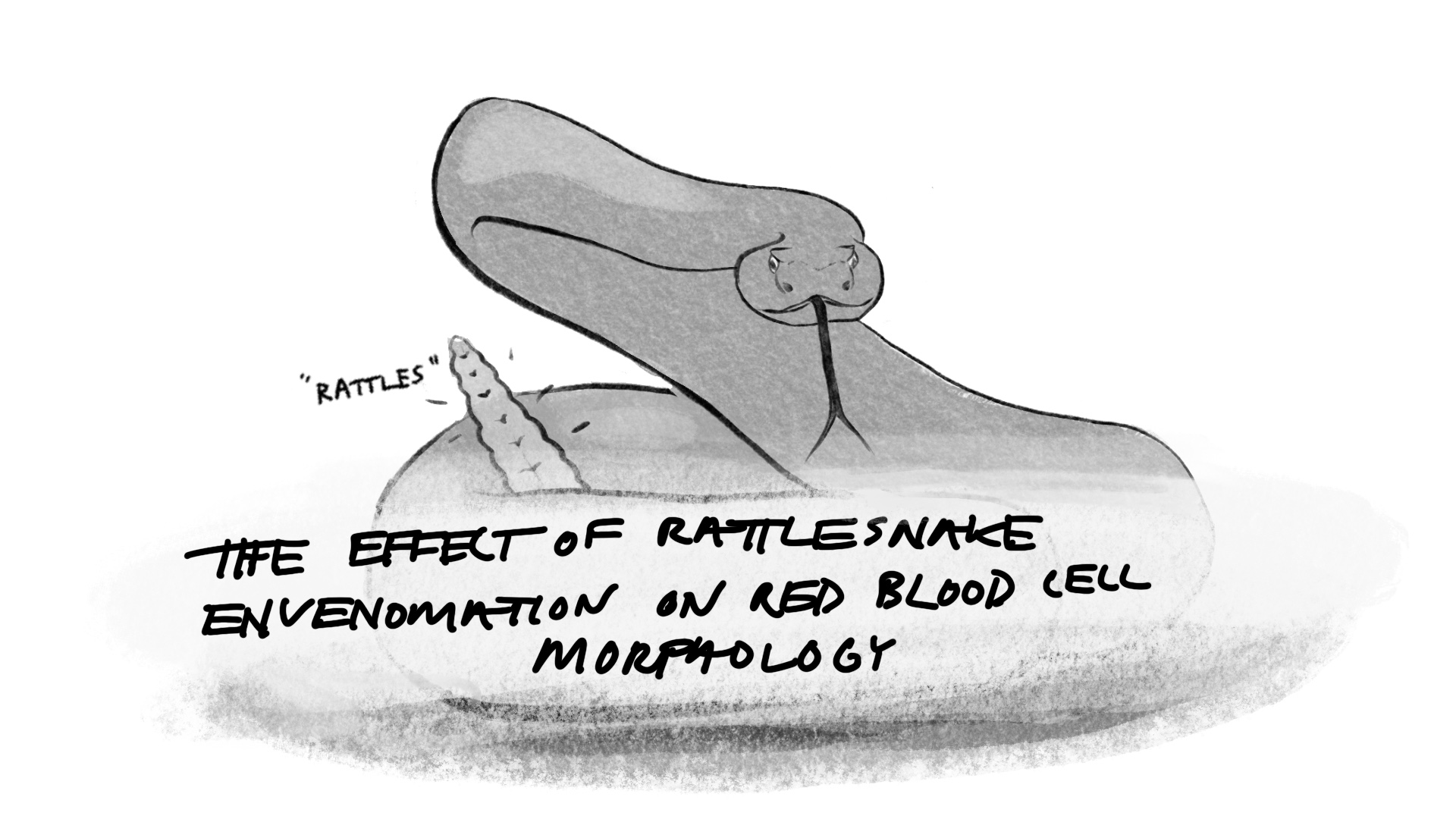
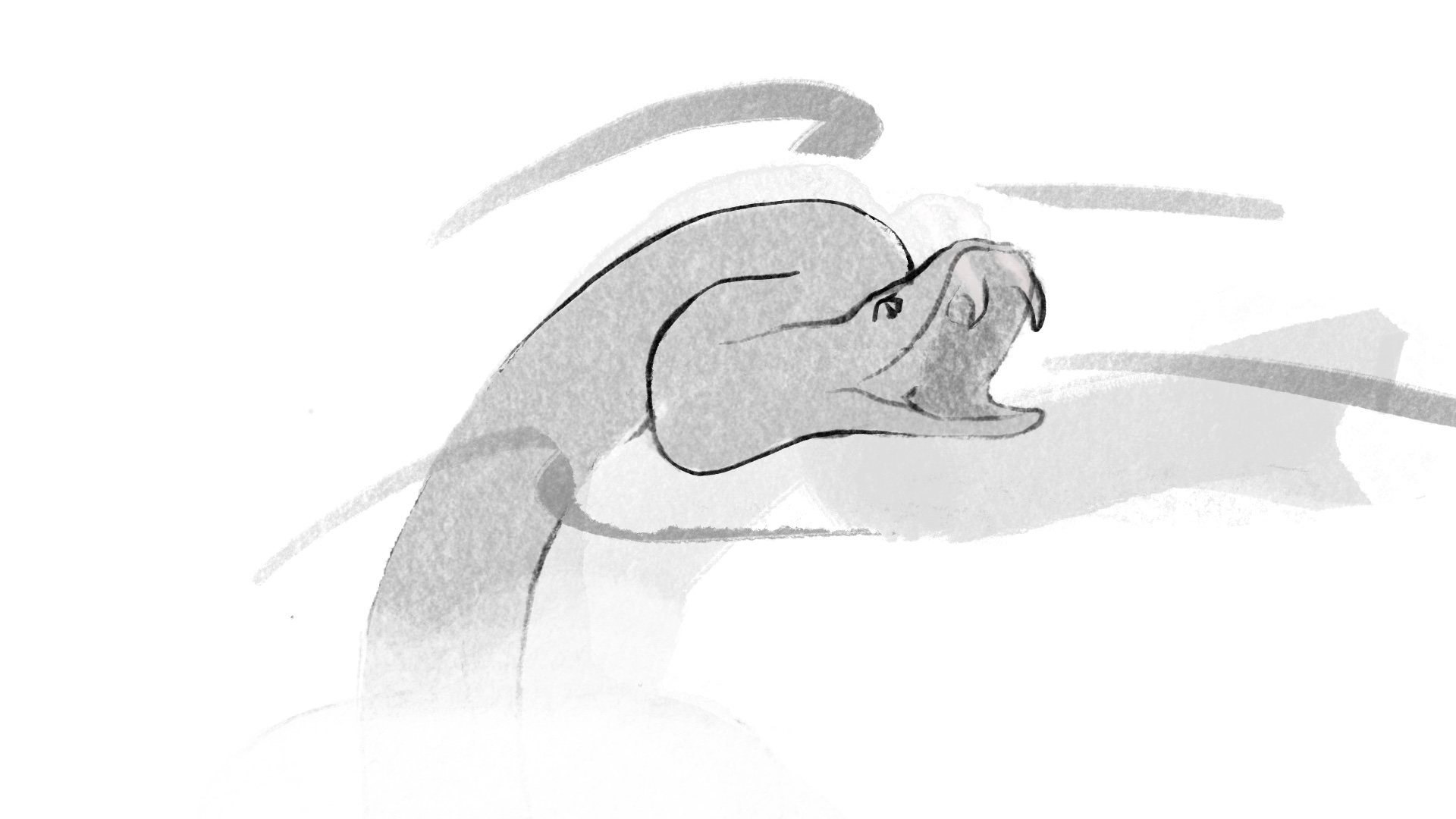
STORYBOARD

Storyboards turn ideas into a visual plan. They help organize scenes, timing, and flow, catch problems early, and ensure everyone shares the same vision for how the story unfolds. 

SCRIPT WRITING

Script writing sets the foundation for animation by defining the story, dialogue, tone, and key actions. It guides the narrative structure and ensures the visual elements have purpose and direction.

Audio Recording and Sound Production

Audio recording and sound production bring animation to life through dialogue, sound effects, and music. Clear voice work and sound design enhance mood, timing, and storytelling

ASSET DEVELOPMENT

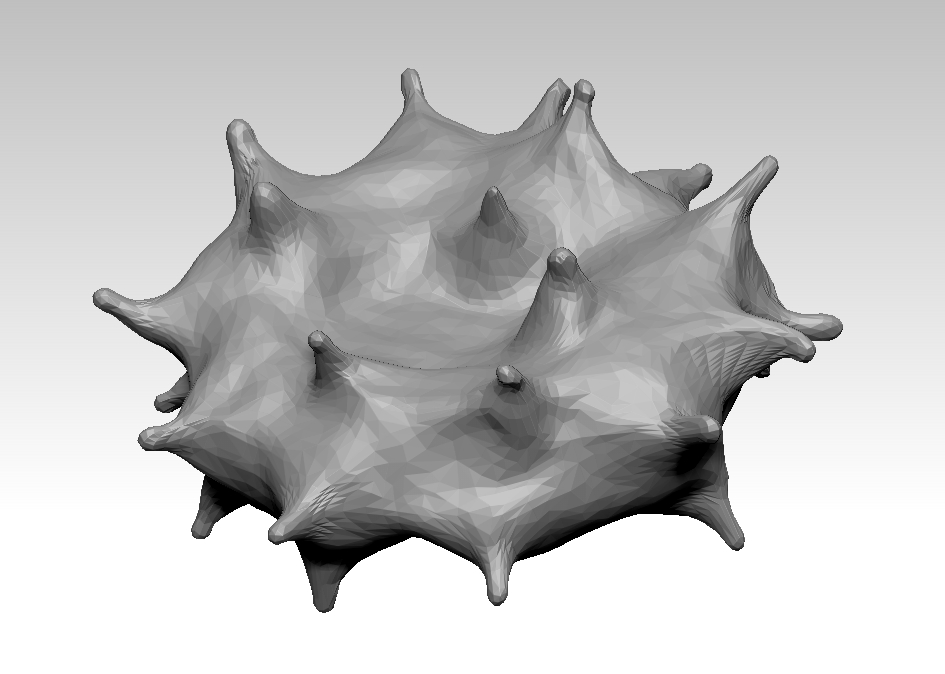
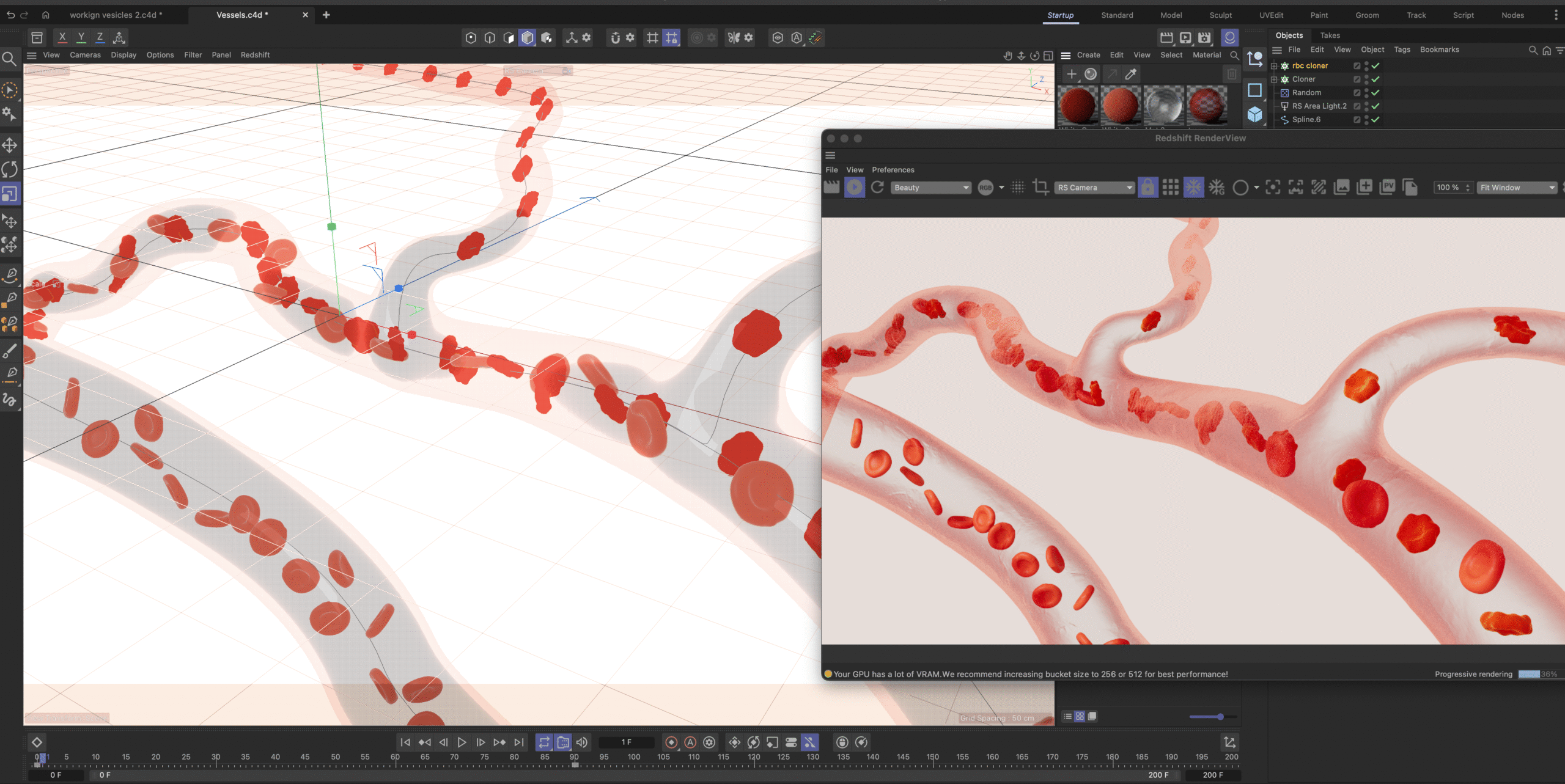
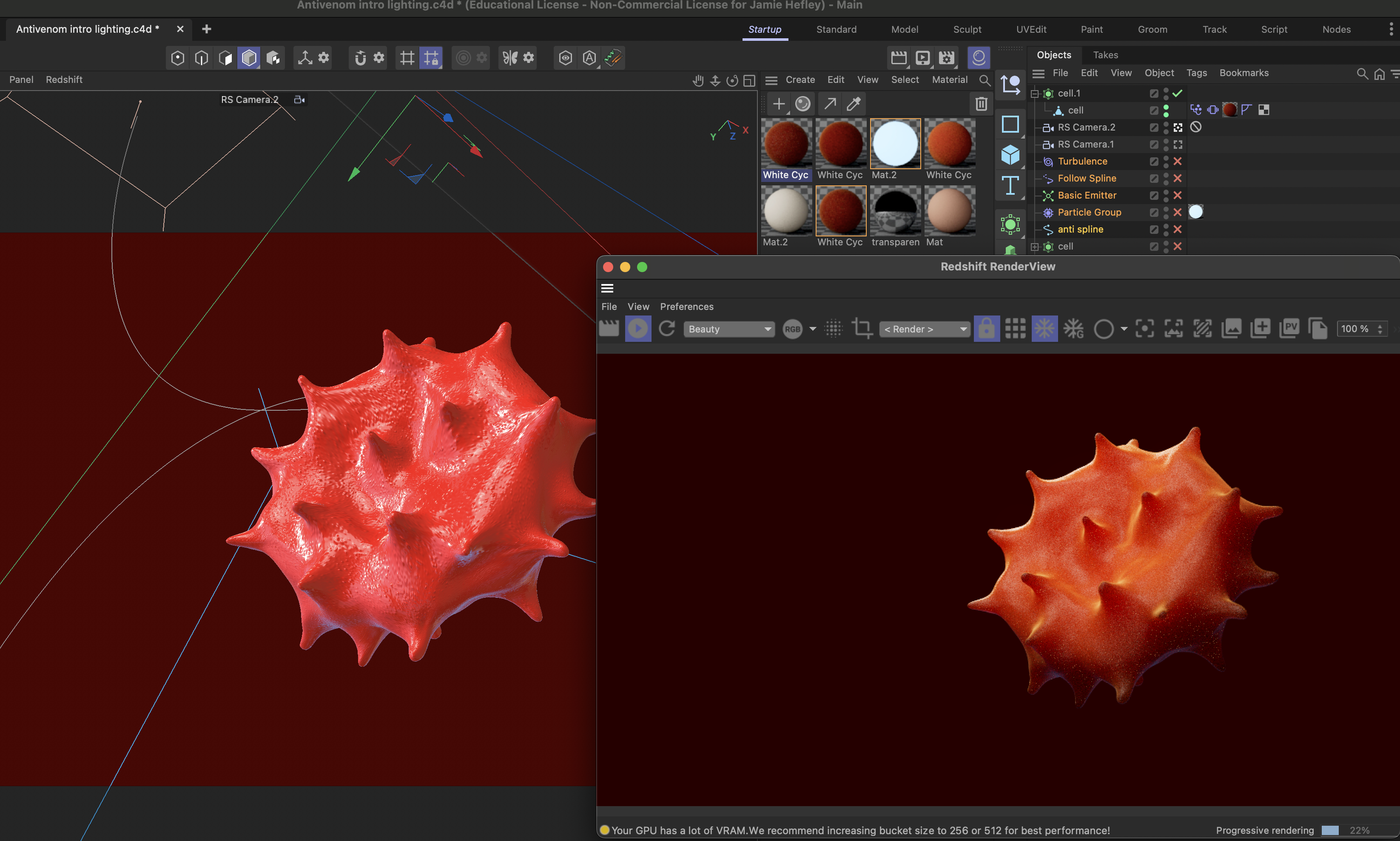
I began building assets in Cinema 4D. This involved creating red blood cells, modeling their structural changes and creating their environment

Zbrush Low Poly Echinocyte Model
Placing RBC into BV Environment

LIGHT, materials, camera set up

In this stage, I created and applied materials to my models, adjusting textures, colors, and reflectivity to match the desired look. I then positioned cameras and lights within the scene, experimenting with angles, intensity, and shadows to achieve the composition and perspective I wanted.

Key Framing

Key frames bring things into motion. Values are set for an object’s position, rotation, scale, or other properties at designated points in the timeline. These keyframes mark the start and end of a movement or transformation.

POST PROCESSING IN AFTER EFFECTS

This included synchronizing the animation to the audio, adjusting timing, adding music, integrating backgrounds, applying visual effects, and placing labels and transitions. Each element was carefully layered and to create a cohesive, polished final animation.

STILLS

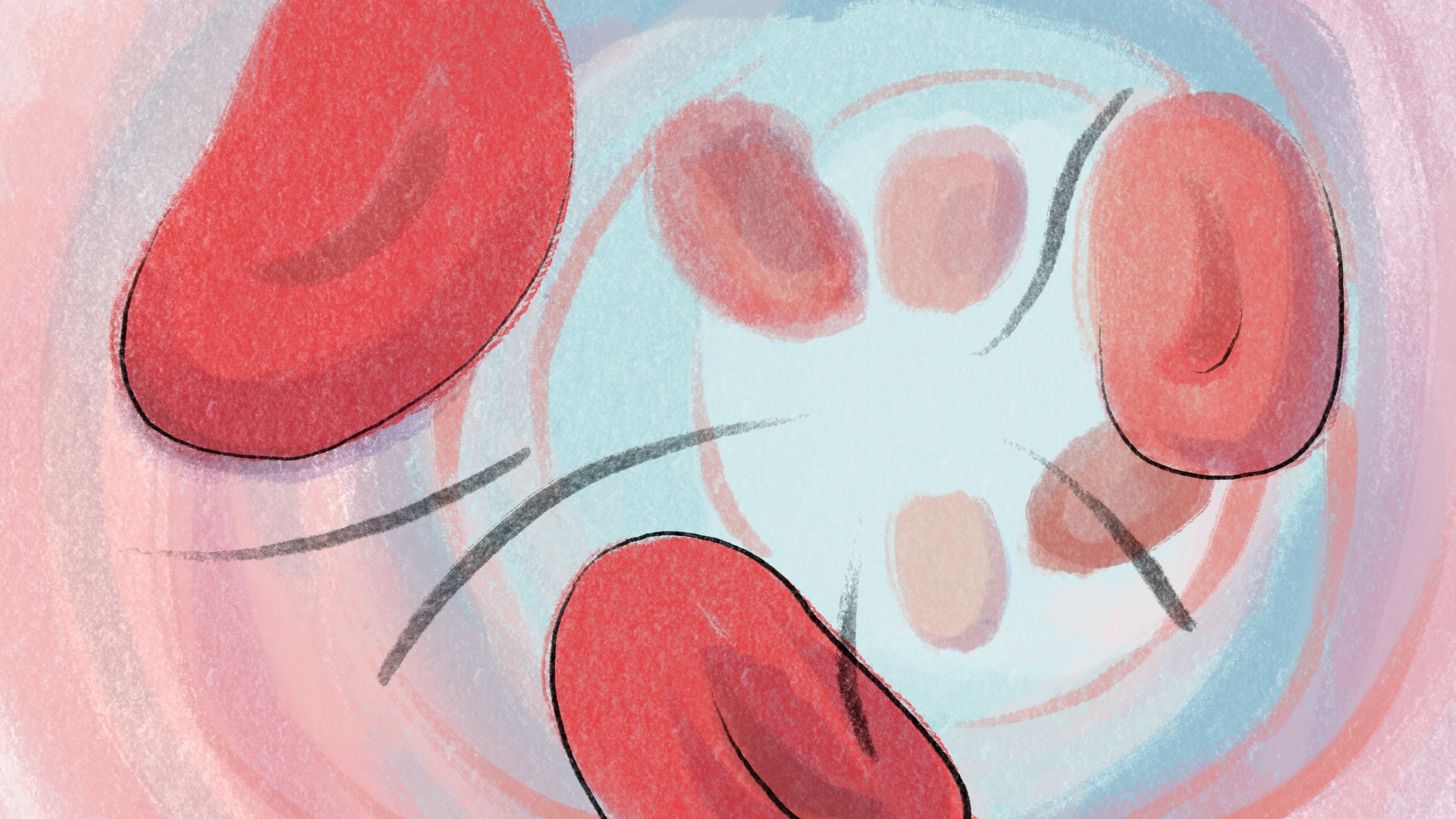
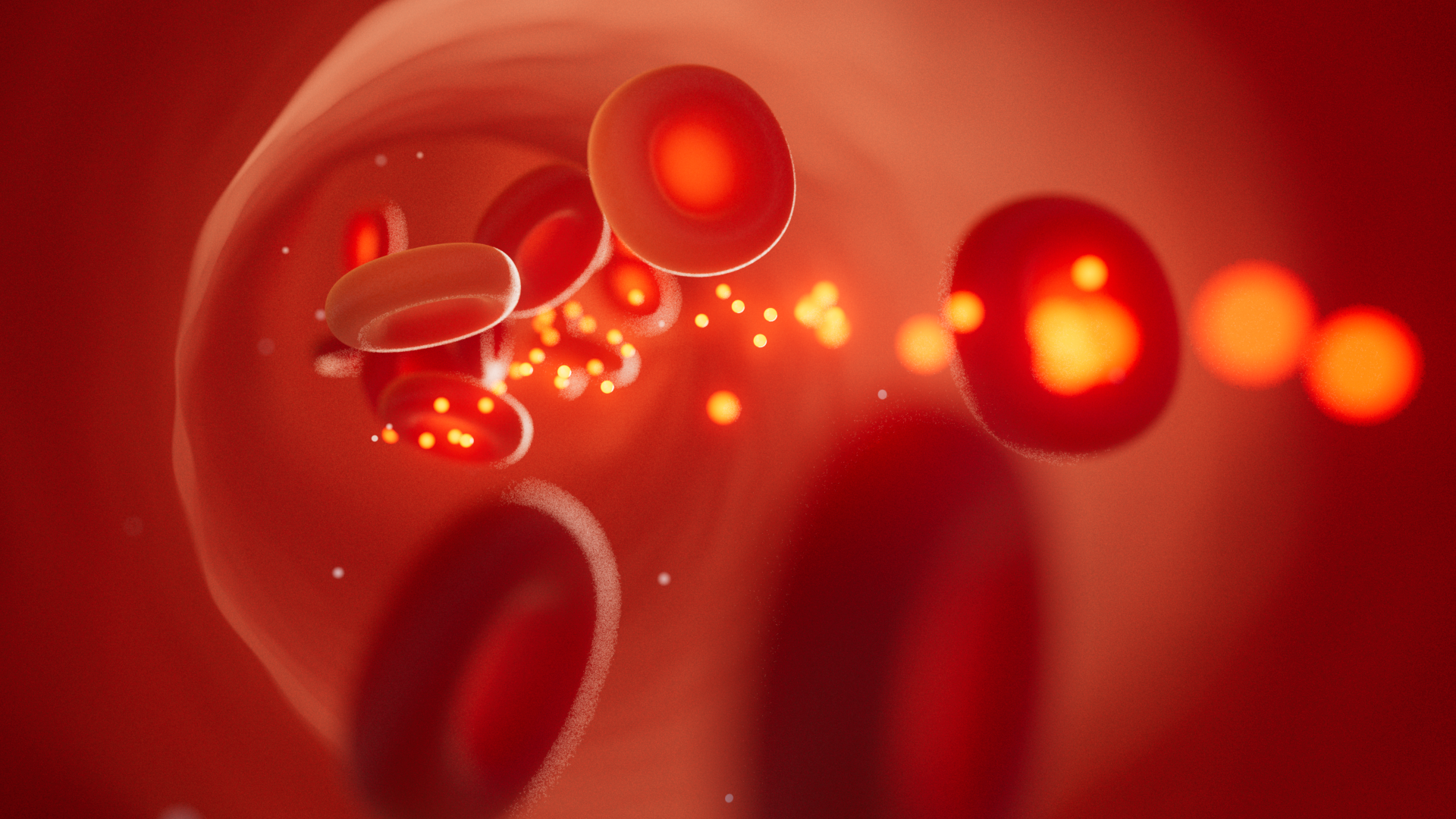
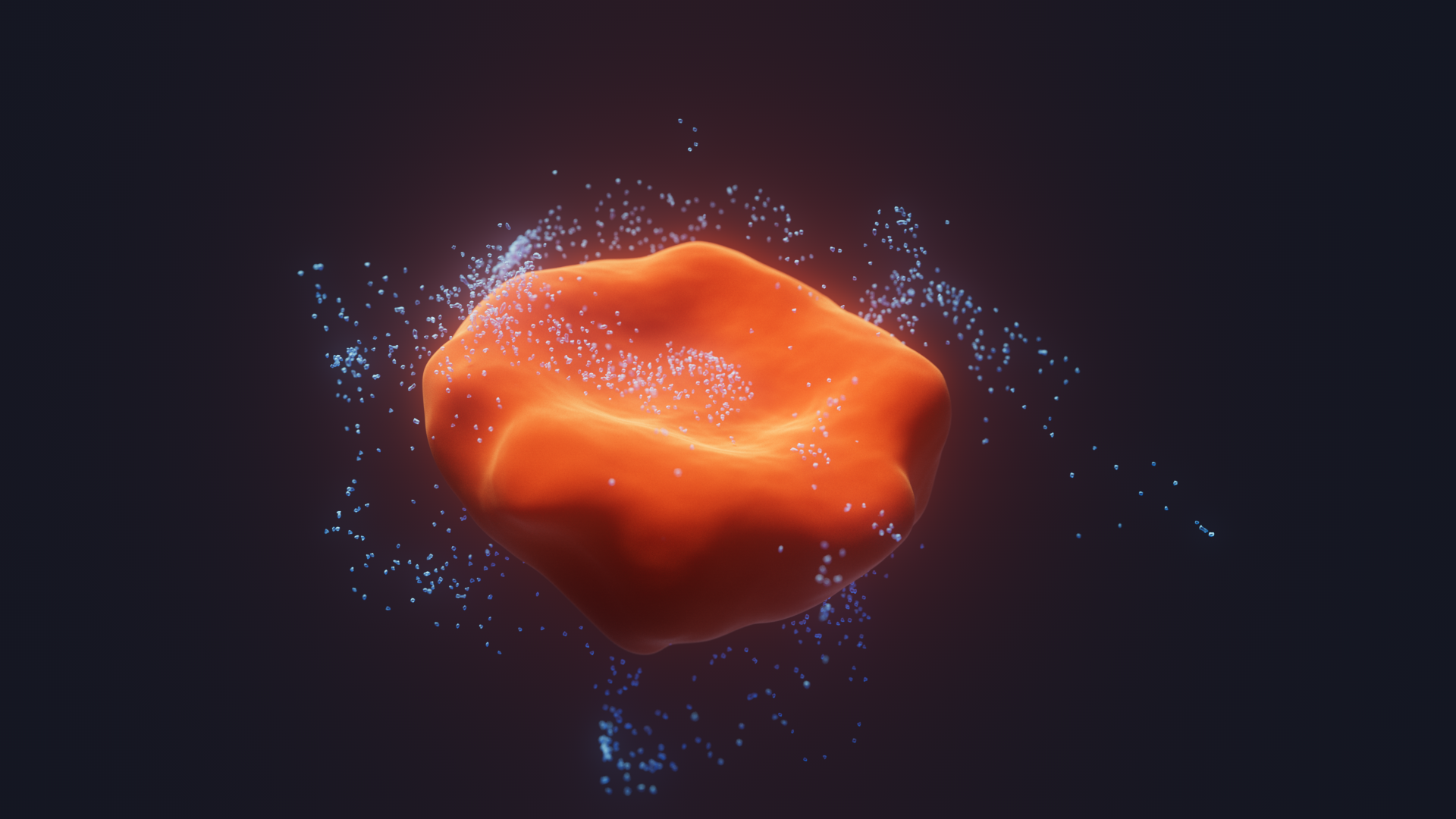
These still frames capture key moments from the 3D animation, highlighting red blood cell deformation, venom interaction, hemolysis, and the progression of echinocytosis.