ABSTRACT
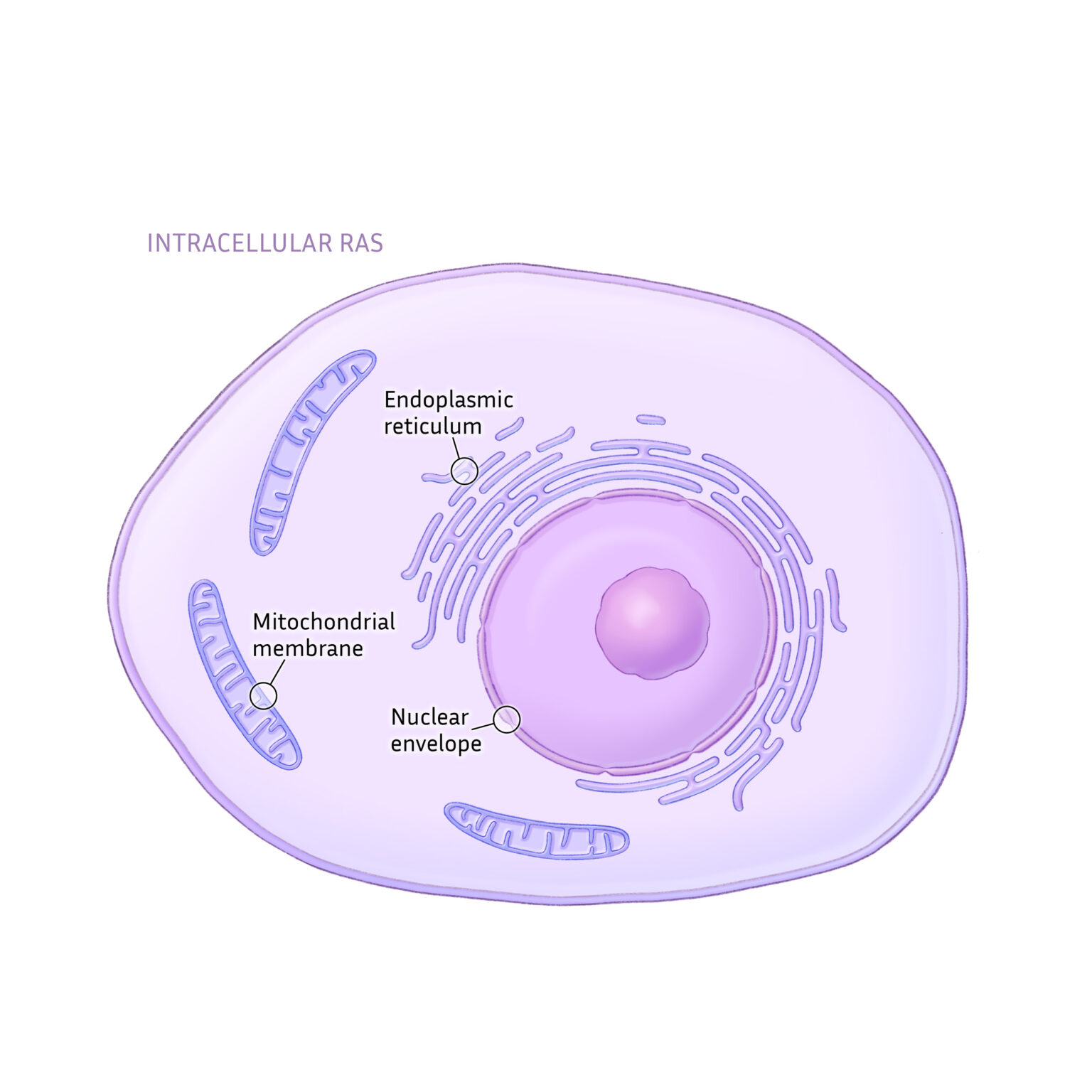
The renin-angiotensin system (RAS) is a complex hormonal network central to cardiovascular and renal regulation. Although it is traditionally taught as a classical endocrine cascade centered on blood pressure control, contemporary research describes a broader system that includes local, organ-specific, and intracellular RAS, which becomes significantly dysregulated with aging. In medical education, however, RAS is often presented in a fragmented and oversimplified manner, with limited emphasis on these broader dimensions and on their clinical relevance. The purpose of this project was to create and evaluate an educational resource that conveys the multi-organ influence of RAS based on learner preferences.
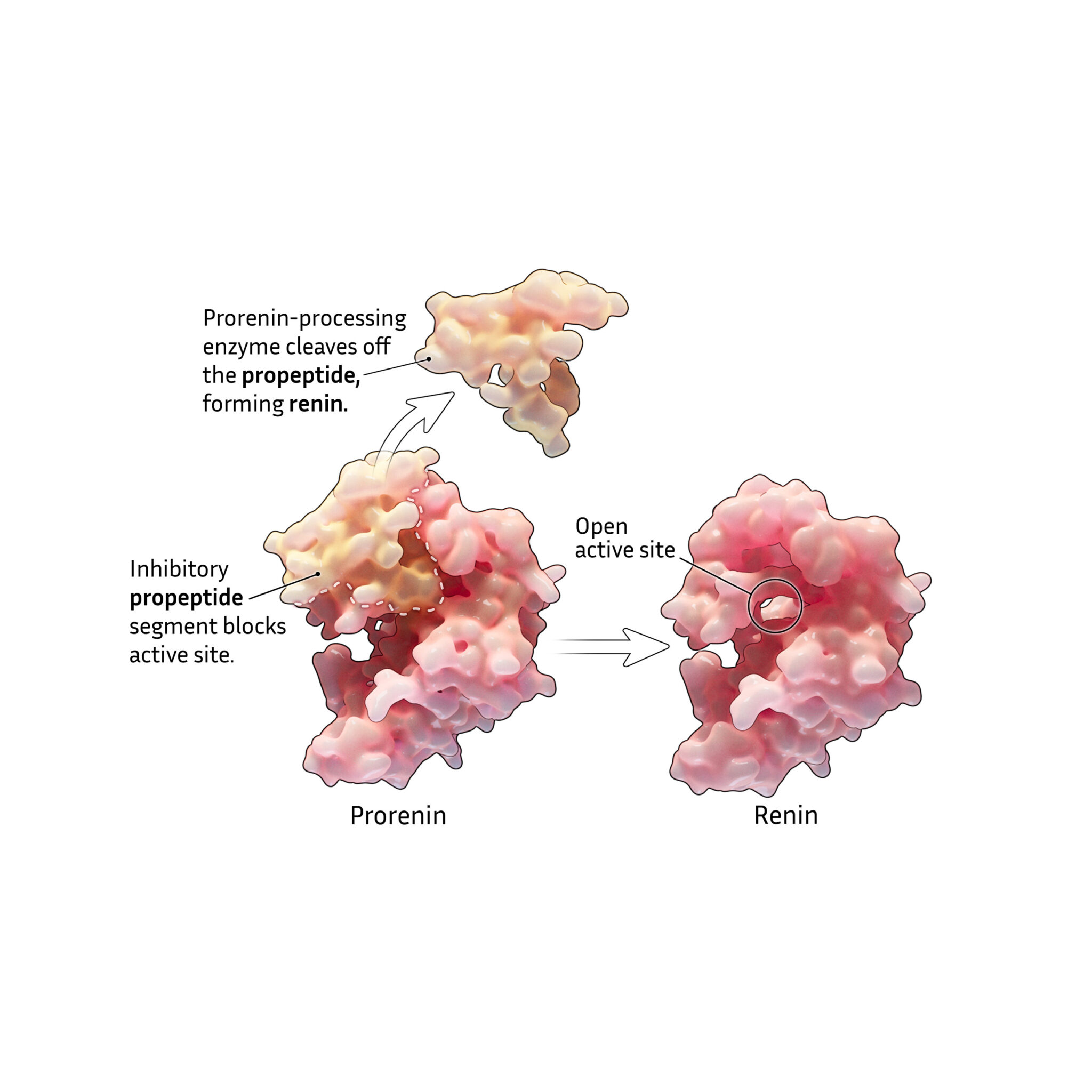
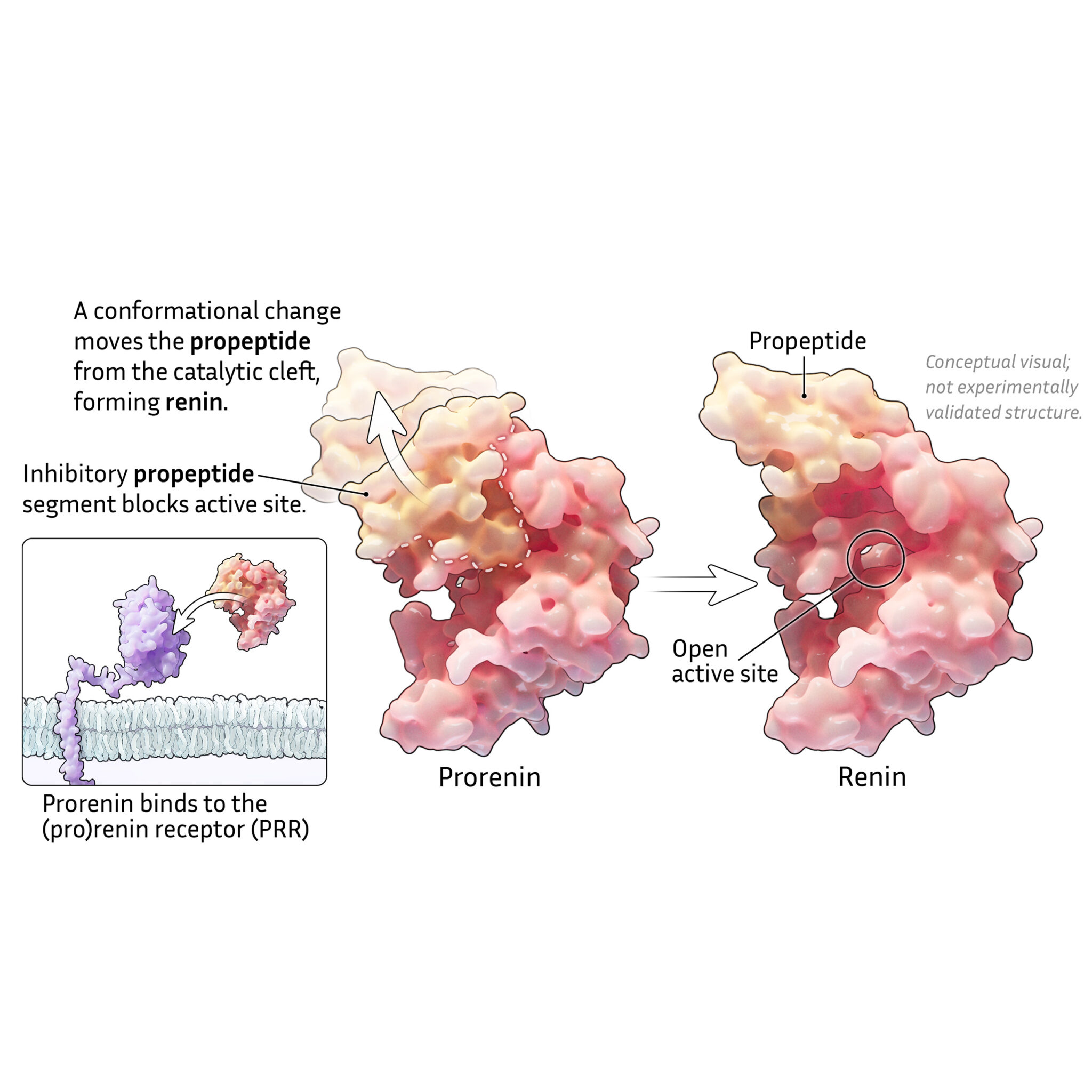
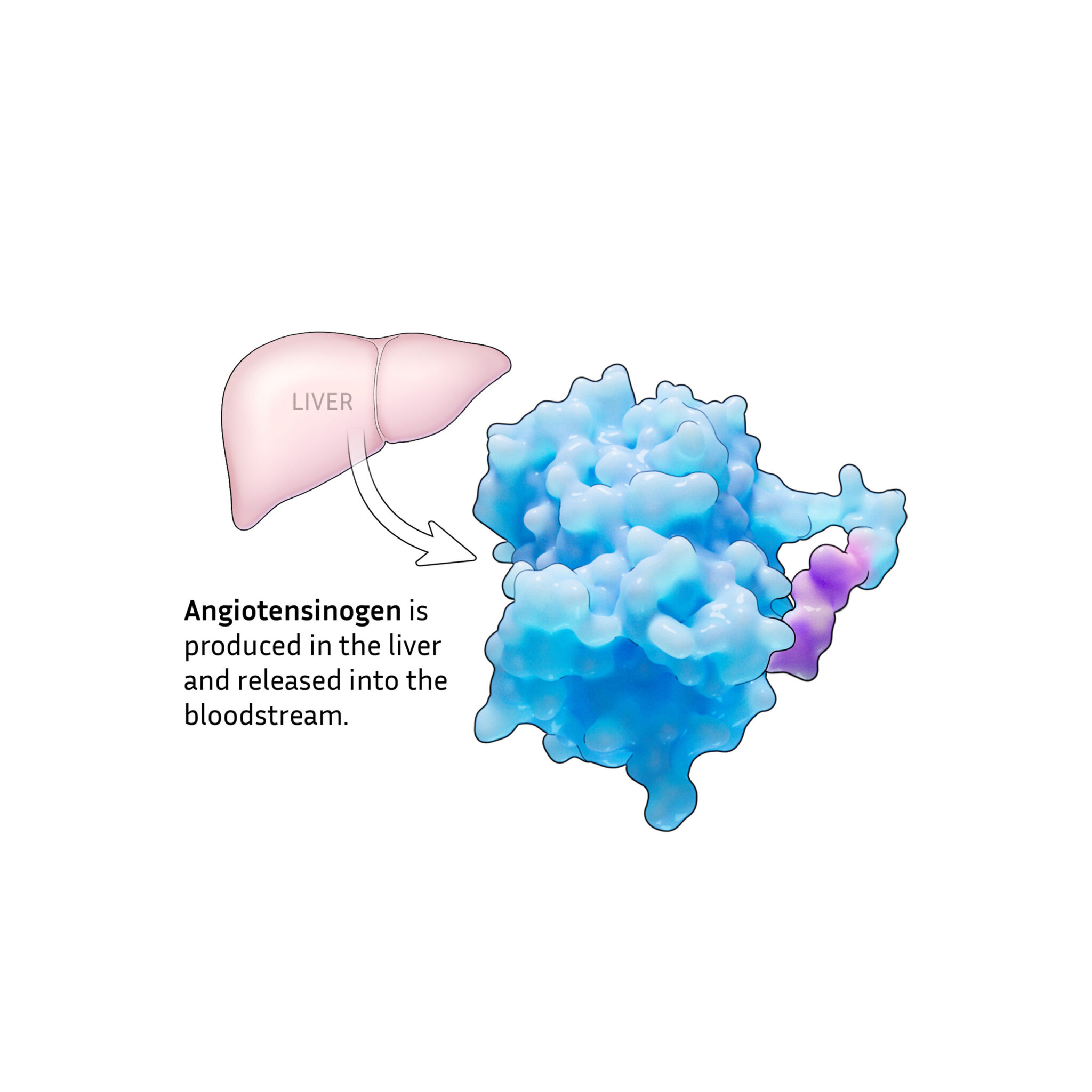
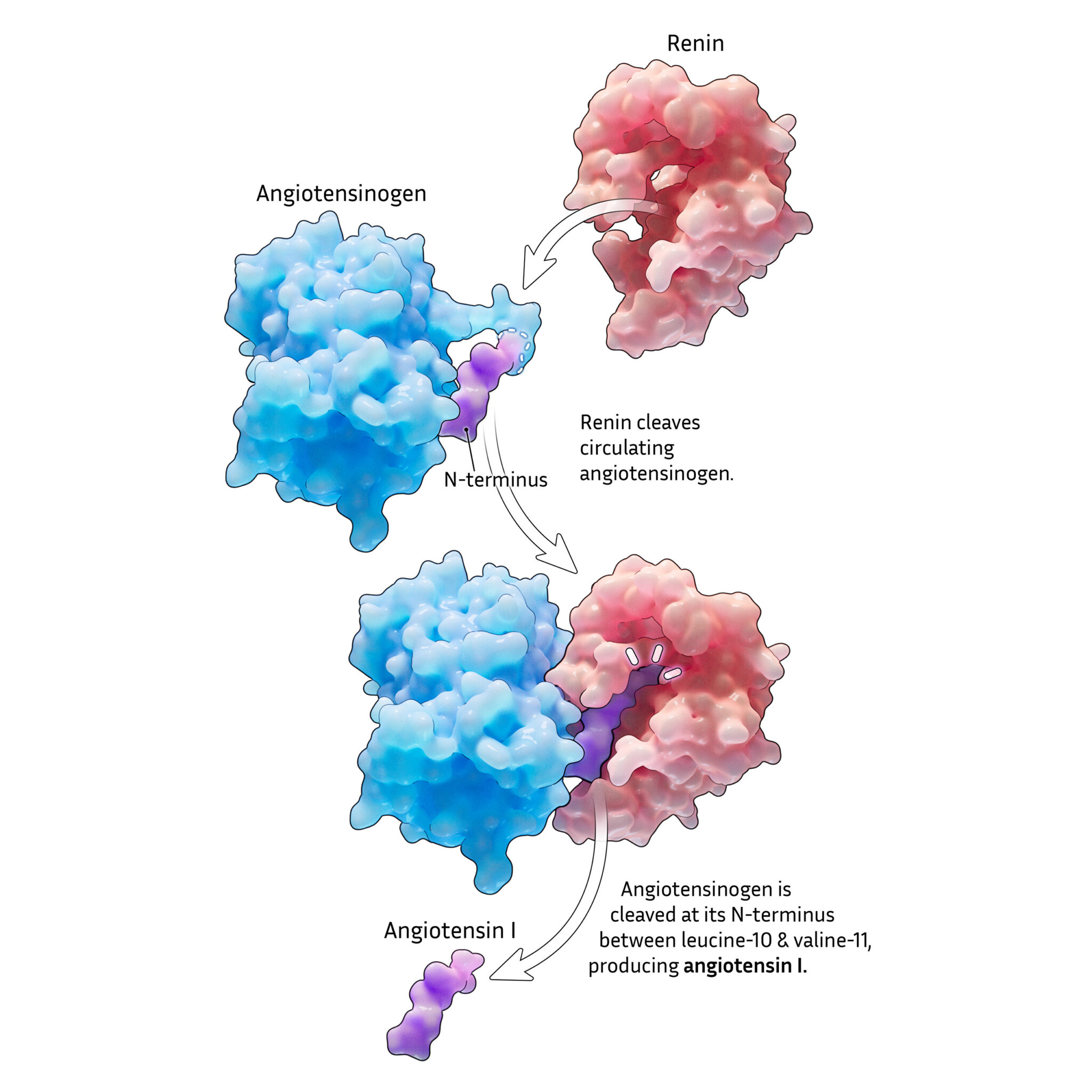
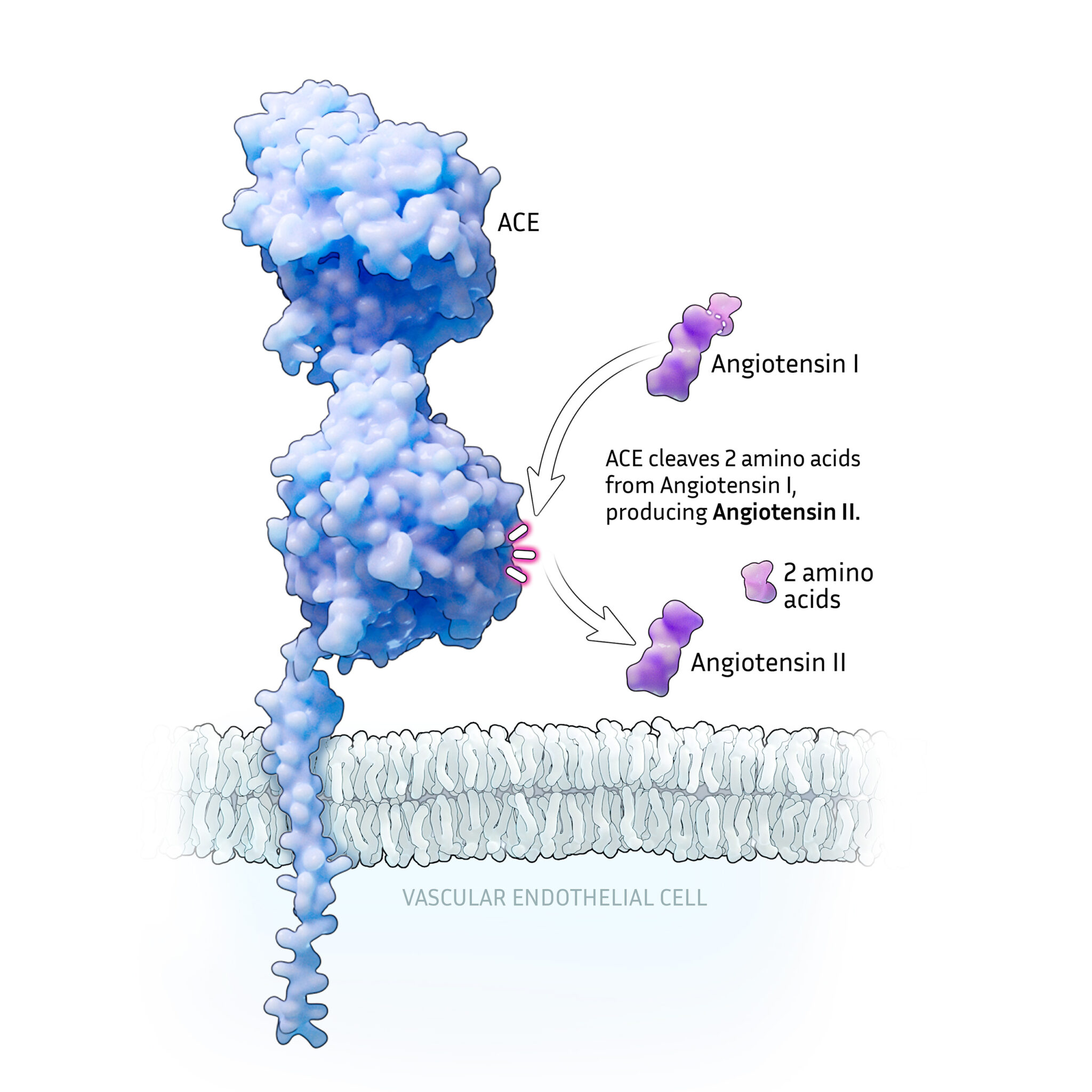
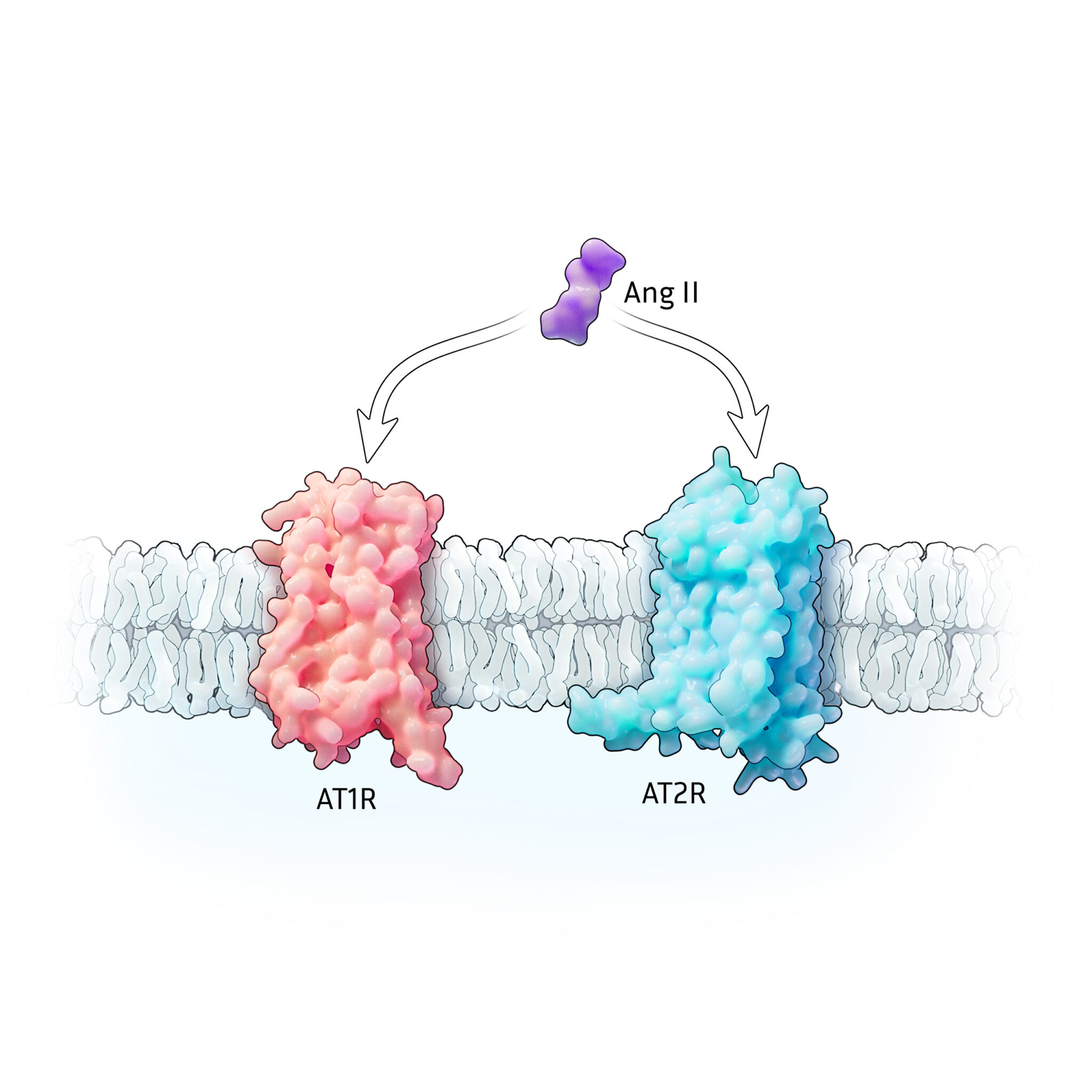
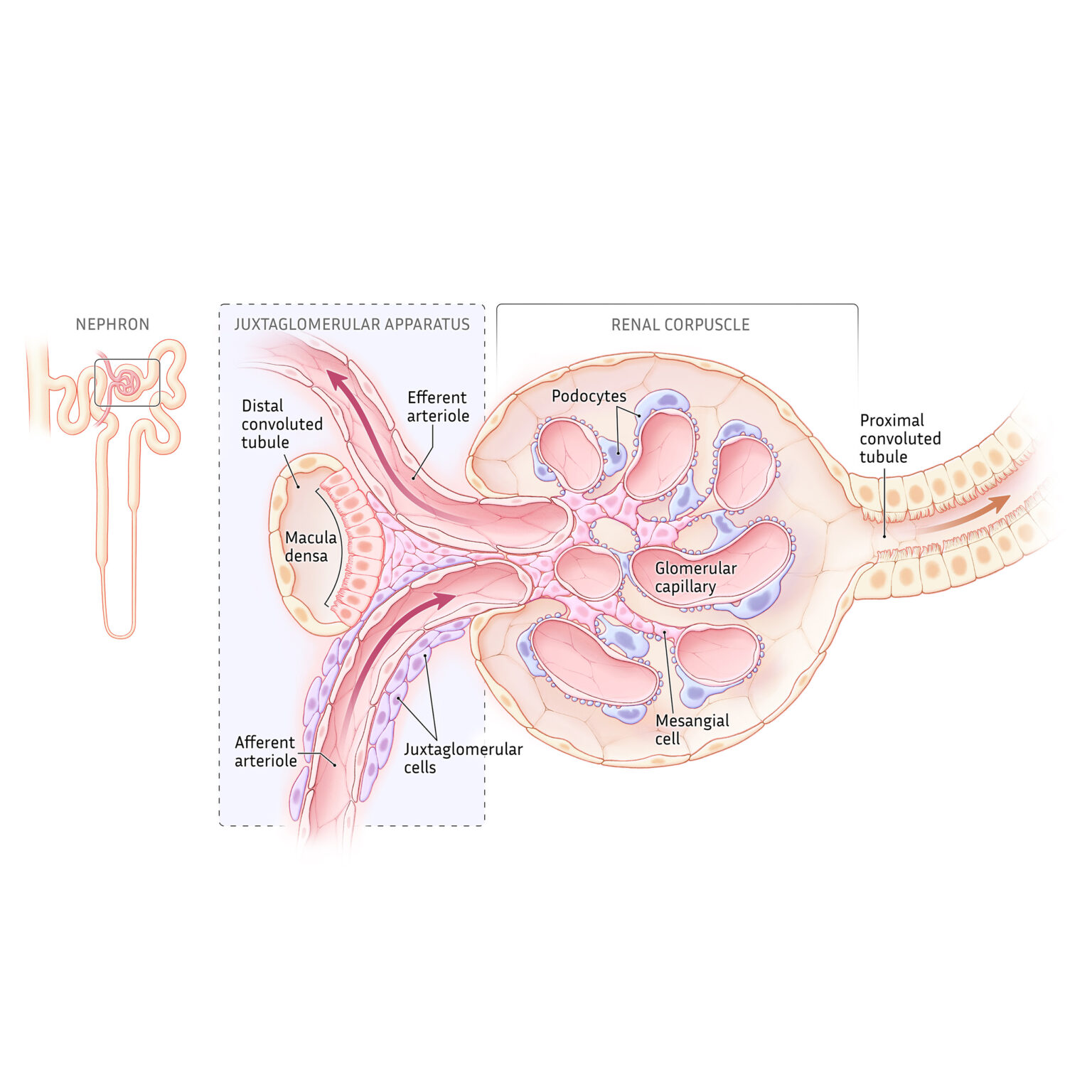
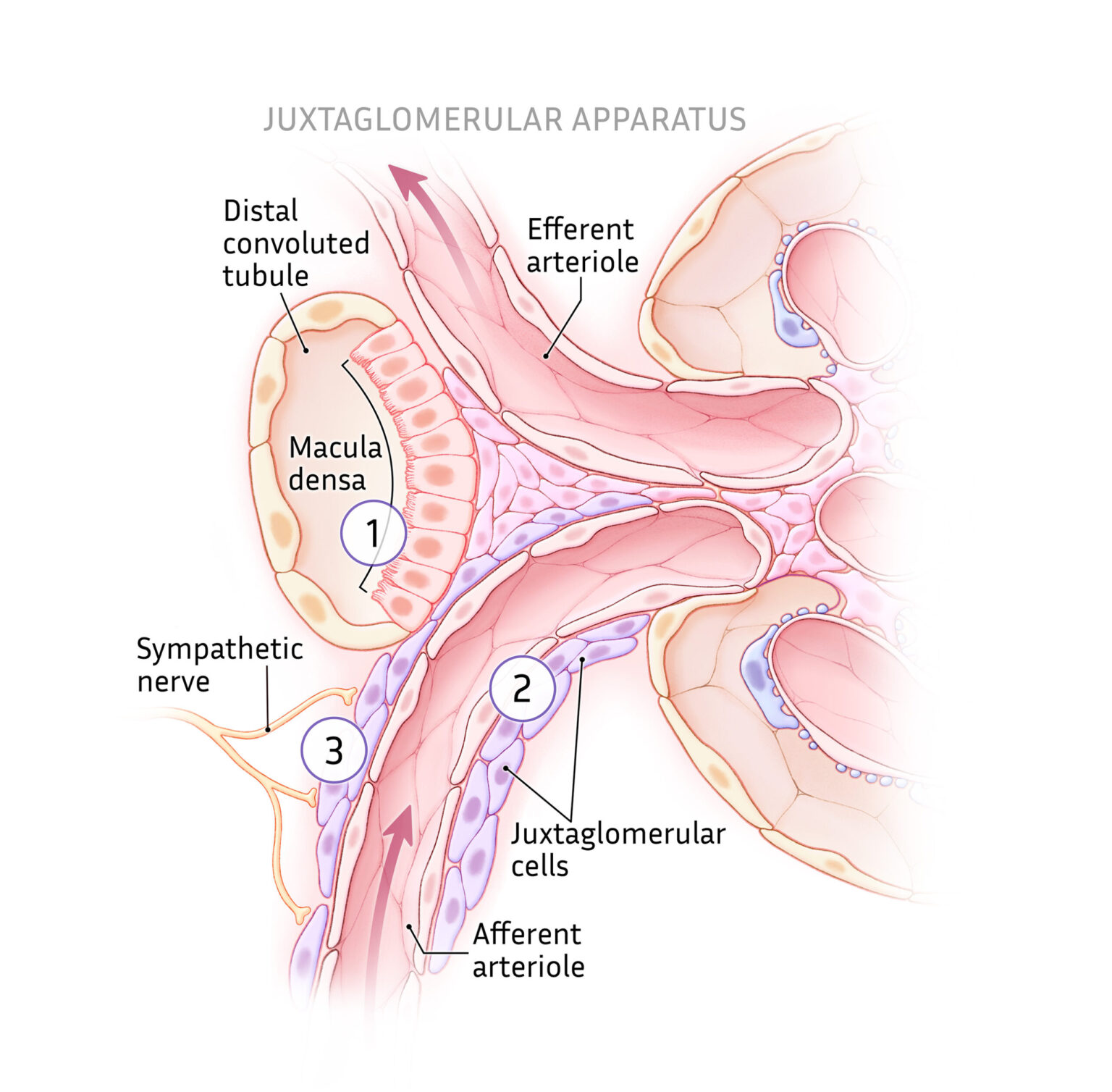
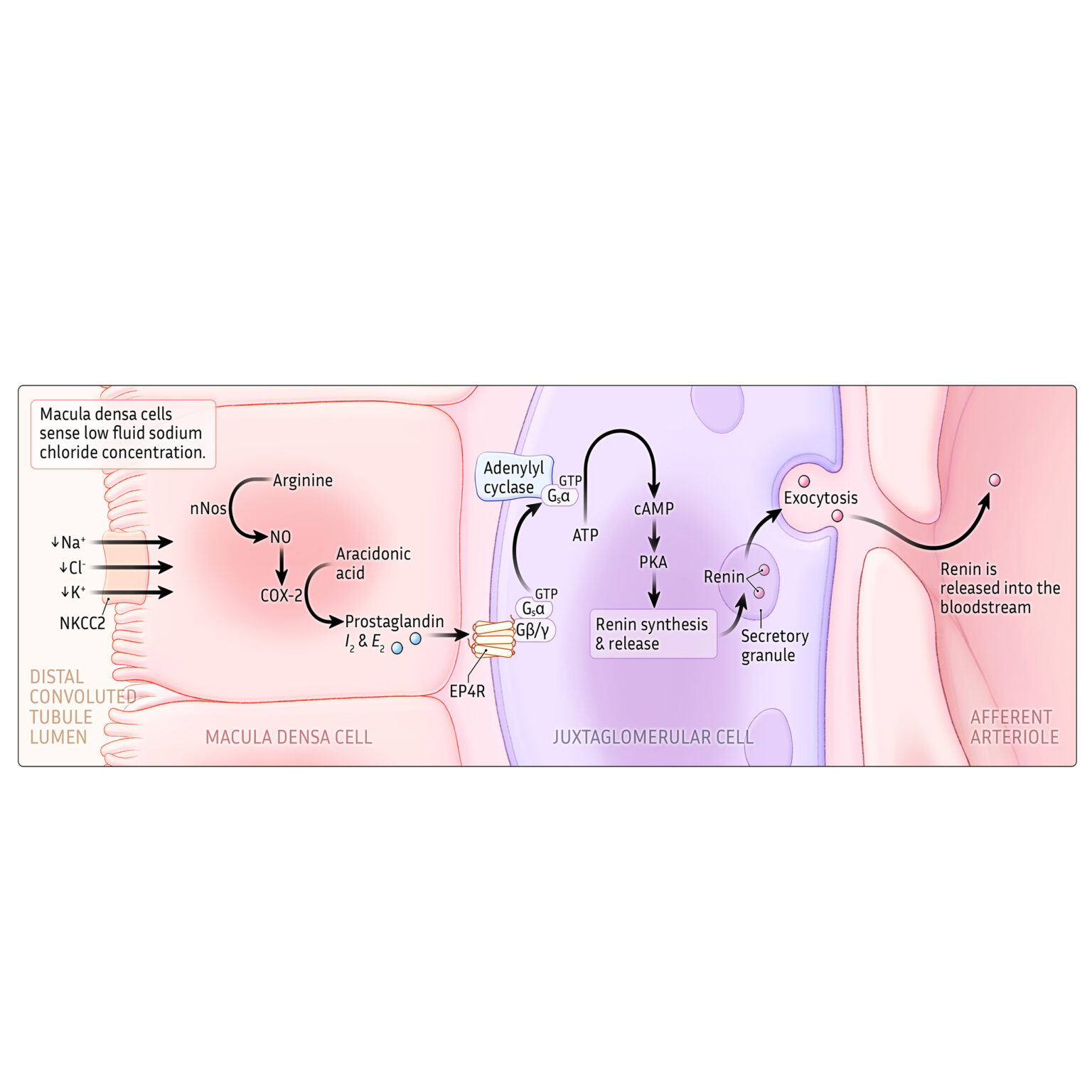
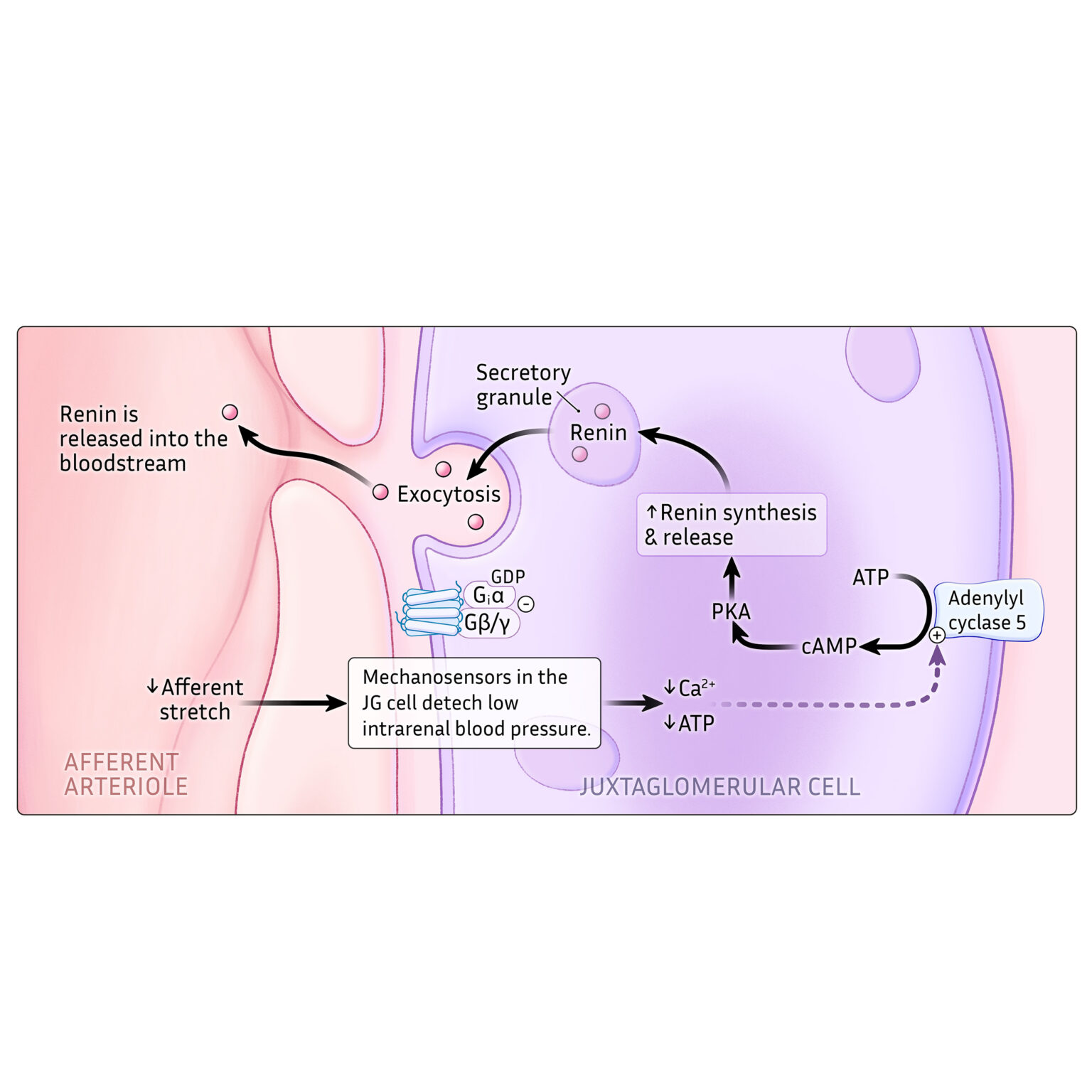
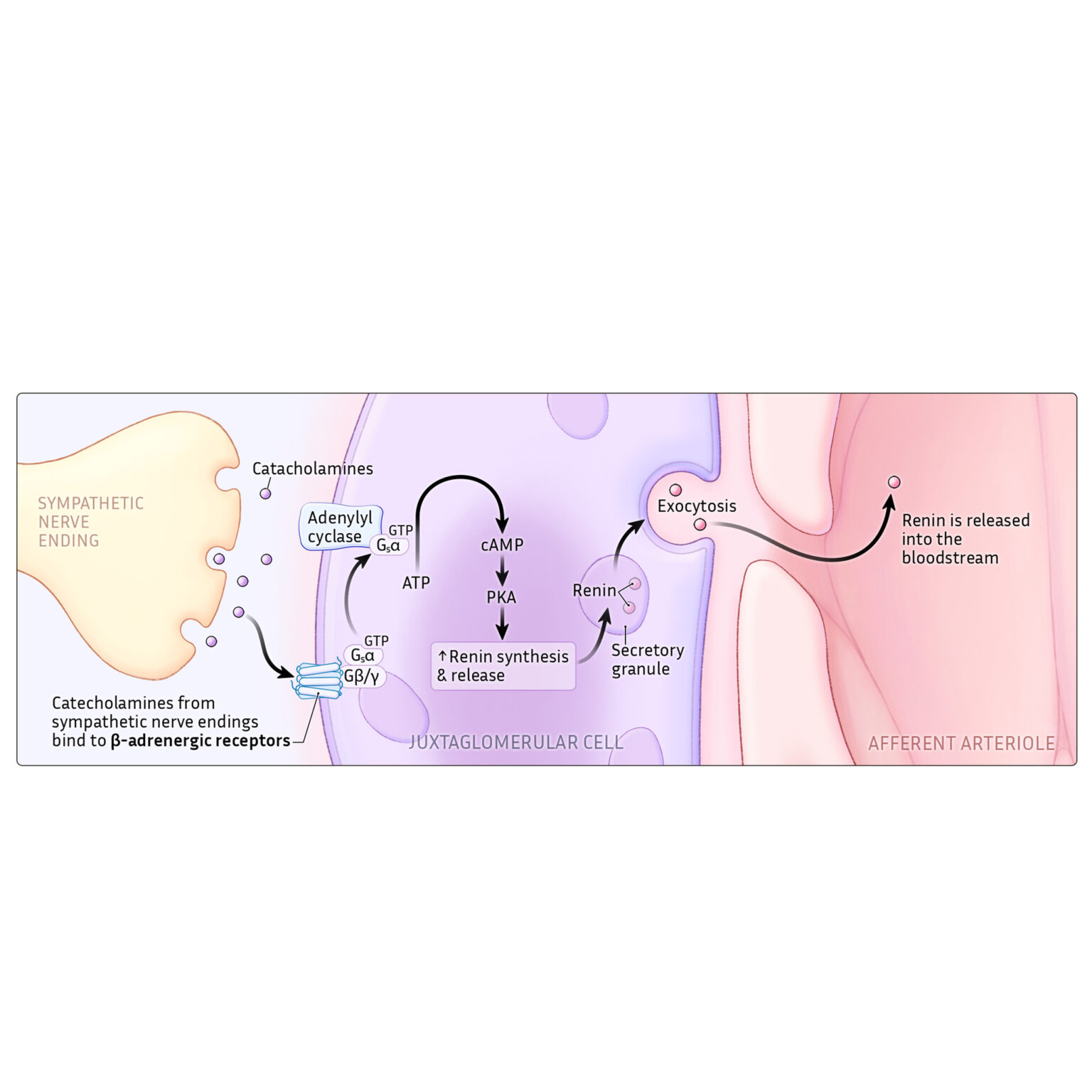
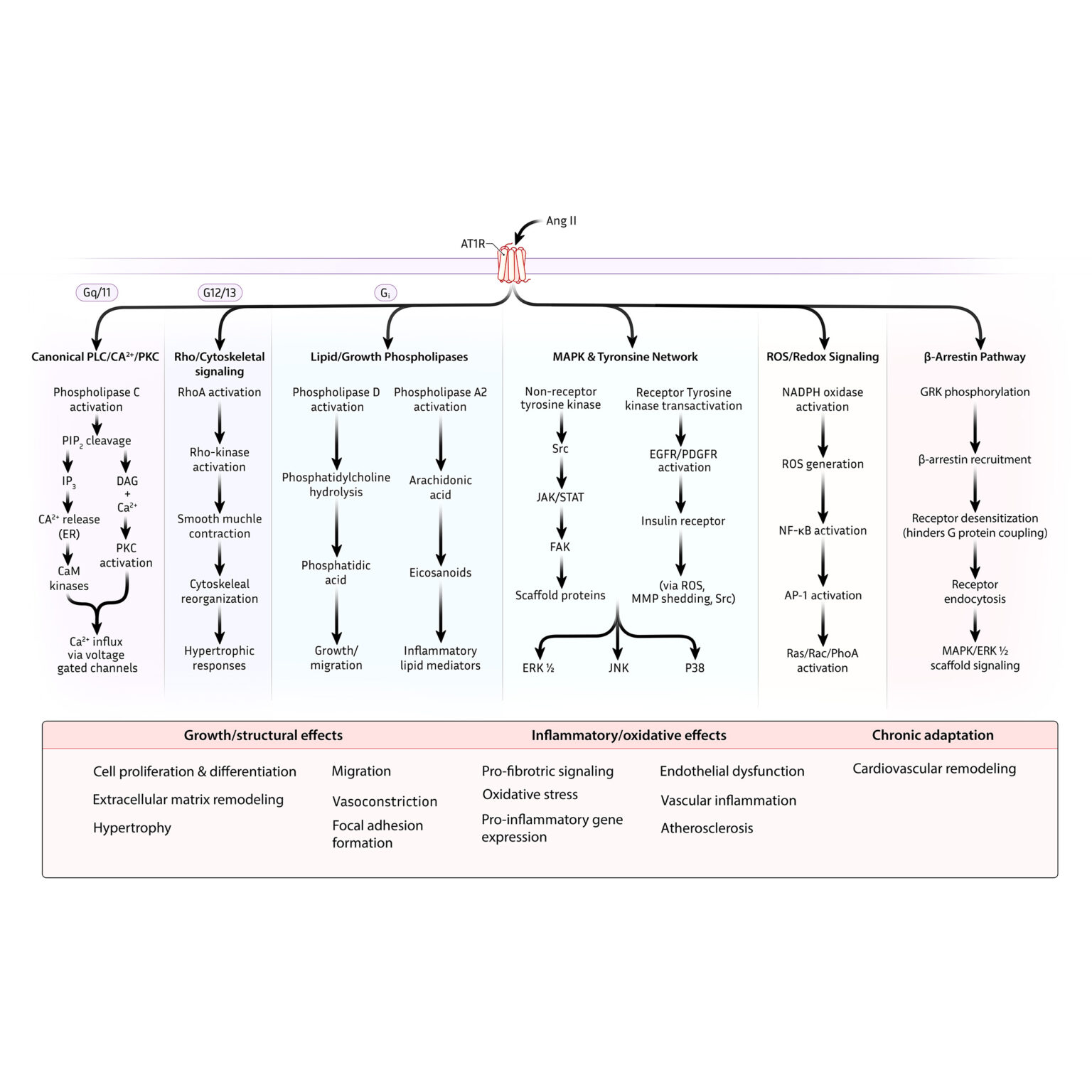
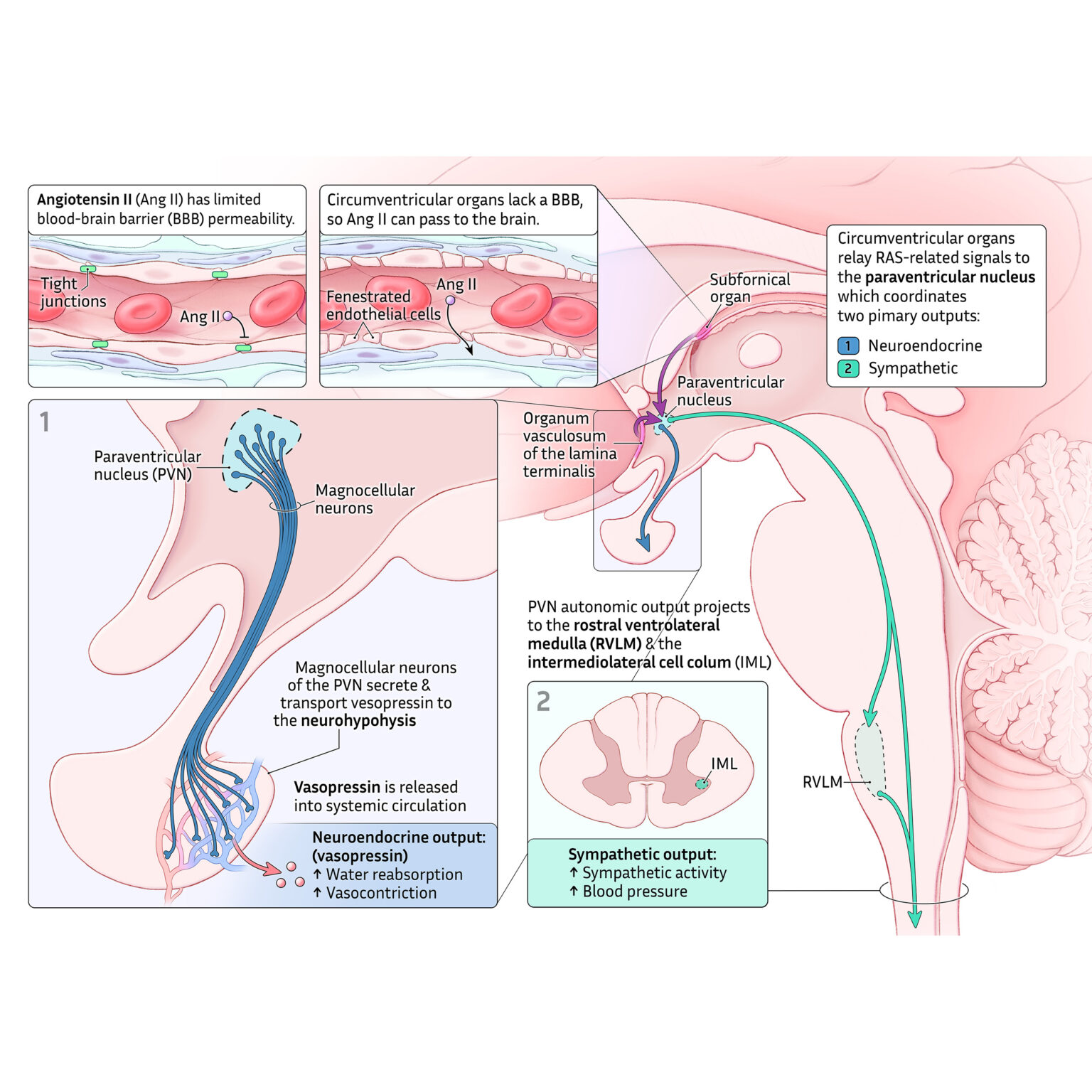
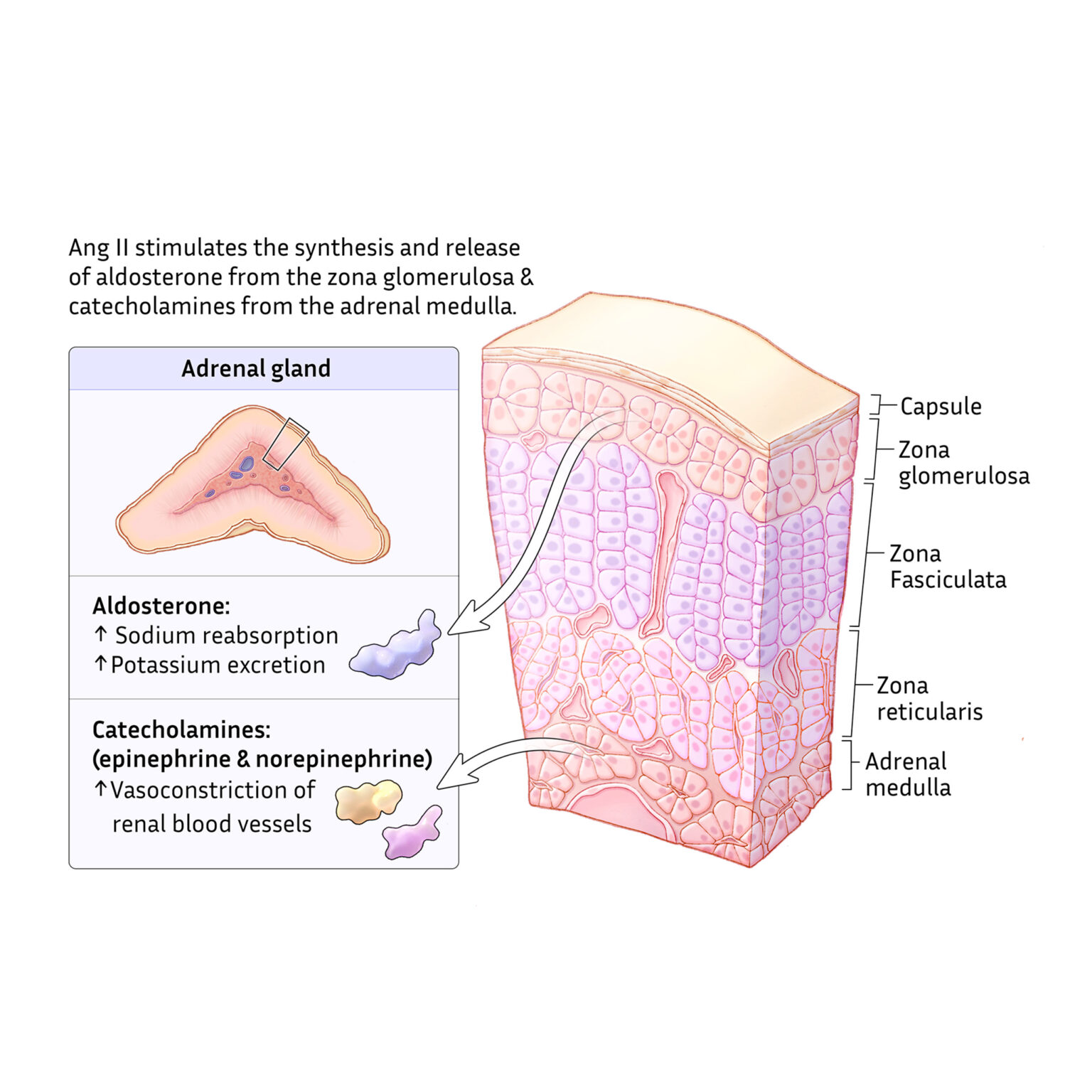
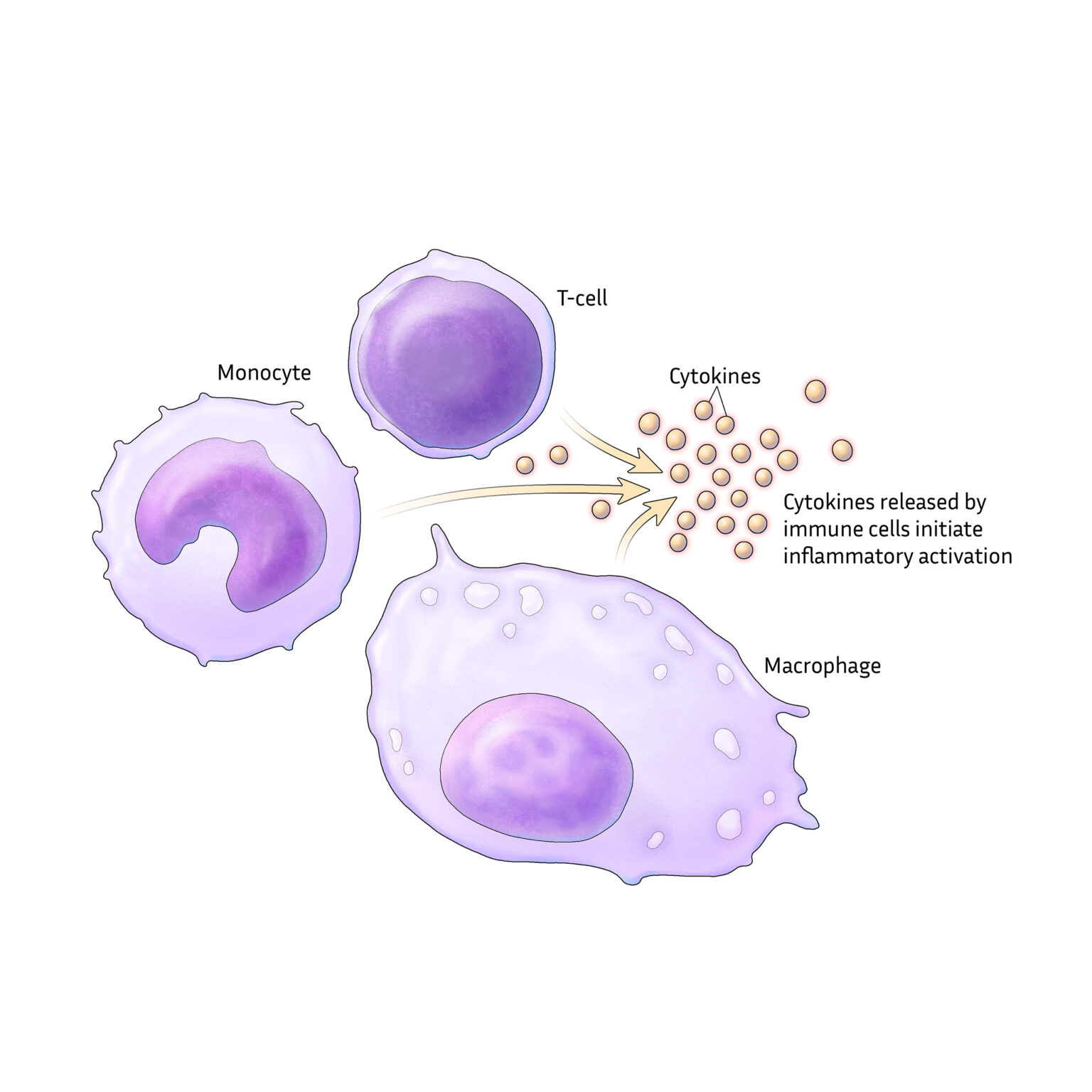
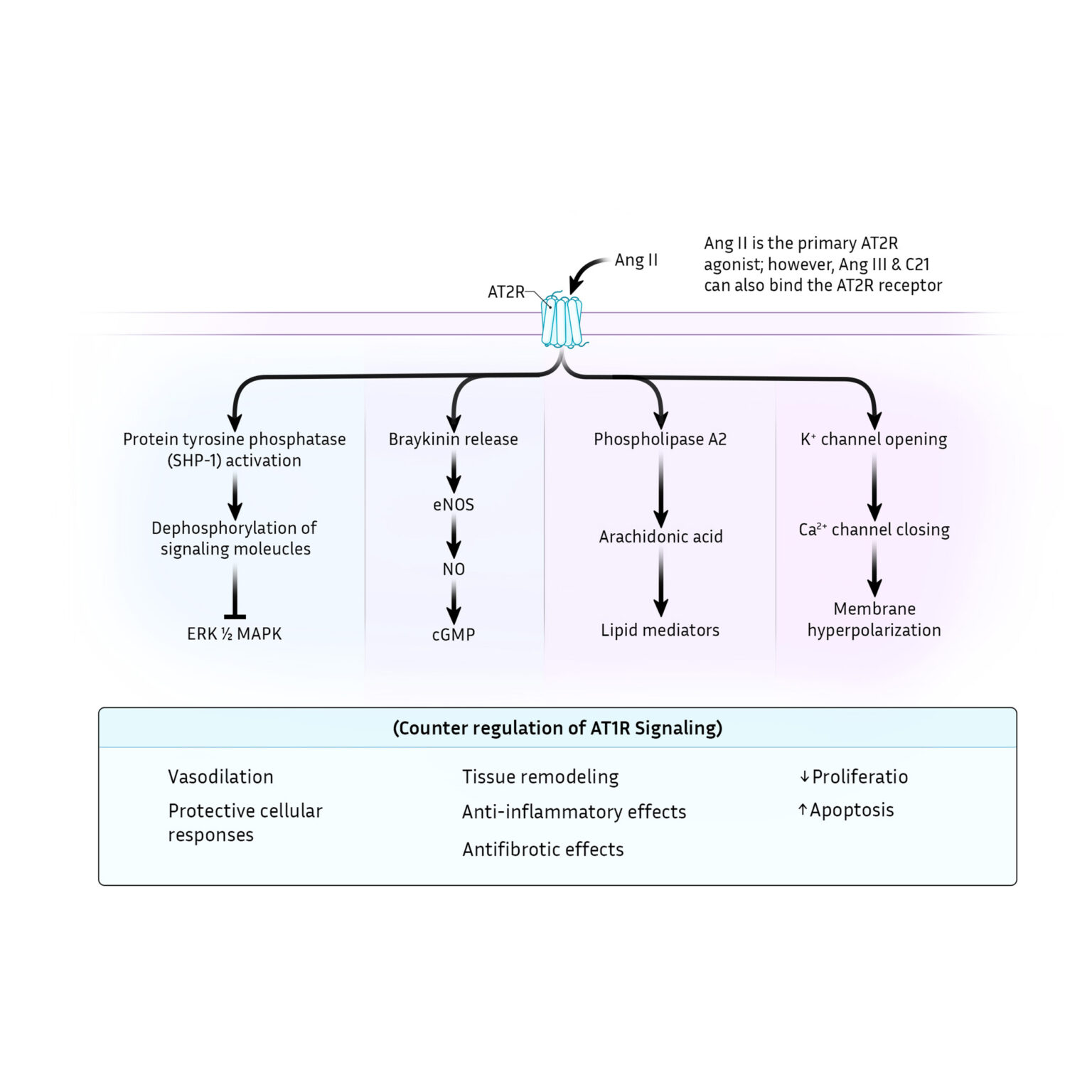
A needs assessment conducted with learners and educators at Johns Hopkins was used to identify educational content and learner preferences. Based on these findings, a web-based interactive learning module was developed in Unity. The module included original illustrations, molecular visualizations, an interactive body map, pharmacologic pathway interaction diagrams, and case-based review questions. Content was designed to connect whole-body physiology with cellular and molecular mechanisms while emphasizing underrepresented topics such as local RAS, aging-related dysregulation, and the actions of RAS-modifying drugs.
The module was evaluated through a mixed-methods study involving ten second-year medical students at the Johns Hopkins University School of Medicine. Participants completed pre- and post-module surveys, followed by semi-structured interviews. Post-module survey results showed increased self-reported knowledge across all measured RAS topics, with statistically significant gains for the classical RAS (p-value = 0.011) and age-related changes in RAS function (p-value = 0.005). Familiarity with local RAS also increased, from a mean of 5.2 to 7.1, although this change did not reach statistical significance (p-value = 0.059). Age-related RAS knowledge showed the largest increase, rising from a mean of 4.1 to 7.1.
Qualitative feedback yielded positive responses and indicated that the module was perceived as clear, engaging, visually effective, and educationally valuable. Interview responses further suggested that the module helped learners connect molecular mechanisms with organ-level physiology, clinical pharmacology, and patient care while addressing content areas underrepresented in prior instruction.
These findings suggest that interactive, visually integrated educational tools may be effective for teaching complex biomedical systems, and that the module developed may serve both as a resource for medical learners and a model for future work in biomedical education.